Views: 0 Author: Site Editor Publish Time: 2026-01-20 Origin: Site
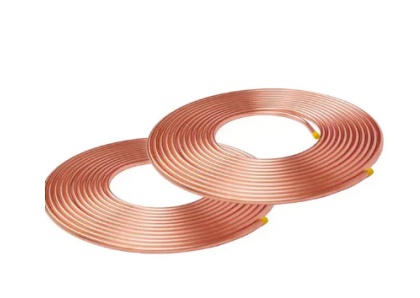
When it comes to installing or maintaining air conditioning (AC) systems, copper pipes are the preferred choice for connecting refrigerants and ensuring optimal performance. The selection of the right type of copper pipe plays a significant role in the efficiency, reliability, and longevity of an HVAC system. In this guide, we will discuss the various types of copper pipes commonly used for air conditioning applications, their specific uses, and why copper is the material of choice for AC systems.
Copper has long been recognized for its excellent thermal conductivity, resistance to corrosion, and ease of installation, making it the most common material used in HVAC systems. However, not all copper pipes are created equal. The type of copper pipe used depends on several factors, including pressure requirements, flexibility, and cost. Whether you're installing a new AC system or replacing existing pipes, choosing the correct copper pipe ensures that your system will operate smoothly and efficiently for years to come.
At Anhui Lukwom HVAC Equipment Co., Ltd., we specialize in providing high-quality copper pipes that are designed for various HVAC applications. Our commitment to quality and reliability ensures that you get the best possible products for your AC systems. In this article, we will walk you through the different types of copper pipes and their applications, so you can make an informed choice.
Copper pipes are the preferred material for air conditioning (AC) systems because they provide a range of benefits that improve the performance and longevity of the system. Copper is especially valued in HVAC systems for its durability, thermal conductivity, and ability to withstand high pressure, which are all critical factors in the effective transportation of refrigerant between components such as the evaporator and condenser coils.
In AC systems, copper pipes are responsible for transporting refrigerant from one component to another. Their ability to maintain consistent pressure and withstand various operating conditions makes them a reliable choice. Additionally, copper’s superior thermal conductivity ensures that refrigerant efficiently exchanges heat, which enhances the overall cooling efficiency of the system.
Why Copper Pipes are Ideal for AC Systems:
Thermal Conductivity: Copper's ability to conduct heat efficiently ensures that refrigerant flows seamlessly, maintaining optimal temperatures and promoting effective heat exchange within the system. This results in better cooling performance.
Corrosion Resistance: Copper naturally resists corrosion, even in environments with high humidity or moisture, ensuring that pipes maintain their integrity over time and preventing premature system failure.
Durability: Copper is extremely durable and can withstand high pressures, temperature fluctuations, and mechanical stresses, ensuring that the AC system operates reliably for many years.
Flexibility: Copper pipes are easy to bend and shape, making them perfect for installations in complex or confined spaces, which is especially helpful in both residential and commercial AC systems.
These key properties make copper pipes the best choice for ensuring long-lasting, efficient air conditioning systems, whether for residential homes, office buildings, or large commercial facilities.

Copper pipes come in different grades, each suited for specific applications. The two most common grades of copper pipes used in air conditioning are Type K, Type L, and Type M. Understanding the differences between these types is essential to selecting the right one for your needs.
Type K copper pipe is the thickest and most durable type of copper pipe. It is typically used in high-pressure applications and is ideal for underground installations. In AC systems, Type K pipes are often used for connecting outdoor and indoor units where high pressure is involved. The thick walls of Type K pipes provide additional strength and durability, making them ideal for long-term use in HVAC systems.
Application: High-pressure AC systems, underground installations, long-distance refrigerant transportation.
Features: Strong, durable, resistant to wear and tear, and capable of handling high-pressure refrigerant.
Type L copper pipe is the most commonly used copper pipe in HVAC systems. It offers a good balance between durability and flexibility, making it suitable for most AC installations. Type L pipes are often used for general refrigerant lines in air conditioning systems, both in residential and commercial applications. They are ideal for medium-pressure systems and can be bent easily, which makes them easy to install in tight spaces.
Application: Standard air conditioning systems, both residential and commercial.
Features: Medium thickness, good pressure tolerance, easily bendable, ideal for typical HVAC systems.
Type M copper pipe is the thinnest type of copper pipe and is generally used for low-pressure applications. It is more affordable compared to Type K and Type L pipes, but it is not suitable for systems that require high pressure. Type M pipes are typically used in smaller residential AC systems where the pressure demands are lower, and the refrigerant lines are not subject to high stress.
Application: Small residential AC systems, low-pressure applications.
Features: Thin-walled, less durable than Type K and L, cost-effective, ideal for low-pressure systems.
In addition to the standard copper pipes, insulated copper pipes are often used in HVAC systems to reduce energy loss and improve system efficiency. These pipes are wrapped with an insulating material, such as foam or fiberglass, to prevent heat transfer and condensation from forming on the outside of the pipes. This is particularly important in systems that run continuously or in environments with high humidity.
Benefits of Insulated Copper Pipes:
Energy Efficiency: Insulation helps prevent energy loss, ensuring that the refrigerant maintains its optimal temperature as it travels through the pipes.
Condensation Control: Insulation prevents the formation of condensation on the pipes, reducing the risk of corrosion.
Improved Performance: By reducing energy loss and maintaining the proper refrigerant temperature, insulated copper pipes help improve the overall performance of the AC system.
When choosing the right copper pipe for an AC system, it's important to consider the size of the system and the specific requirements of the refrigerant being used. The diameter of the pipe should match the refrigerant flow rate, as too small of a diameter can restrict flow, while too large of a diameter can reduce system efficiency. Proper installation is also critical to ensure the pipes are properly connected, free from kinks, and have proper insulation where necessary.
Factors to Consider:
Pipe Length: Longer lengths may require larger diameters to maintain refrigerant flow.
Refrigerant Type: Different refrigerants have different pressure and temperature requirements.
System Design: The complexity of the system and the space available for installation will influence the type and size of the copper pipe used.
Copper pipes have numerous advantages that make them the material of choice for air conditioning systems. These benefits include:
Reliability and Durability: Copper pipes can withstand high pressures and temperature variations, making them ideal for demanding HVAC systems.
Corrosion Resistance: Copper is naturally resistant to corrosion, ensuring long-term performance in AC systems.
Efficiency: Copper’s excellent thermal conductivity enhances heat exchange, ensuring that the AC system operates at peak efficiency.
Flexibility: Copper pipes can be bent and shaped easily, making them suitable for a wide range of AC system designs.
In summary, selecting the right type of copper pipe is crucial for ensuring the efficiency, durability, and performance of your air conditioning system. Whether you choose Type K, Type L, or Type M copper pipes, understanding the differences between these grades will help you make the best choice for your needs. Insulated copper pipes can further enhance energy efficiency and performance, making them a popular option for many AC systems.
At Anhui Lukwom HVAC Equipment Co., Ltd., we specialize in providing high-quality copper pipes for air conditioning systems, including insulated and non-insulated options. Our pipes are designed to meet the highest standards of performance, ensuring that your HVAC system operates efficiently and reliably. If you have any questions or need assistance in selecting the right copper pipes for your AC system, please don’t hesitate to contact us. We are committed to providing you with the best products and customer service.
What type of copper pipe is best for residential AC systems?
Type L copper pipes are commonly used in residential AC systems due to their balance of durability and flexibility.
Are insulated copper pipes better than non-insulated for AC systems?
Yes, insulated copper pipes help prevent energy loss and condensation, improving the efficiency and lifespan of the system.
How do I determine the right size of copper pipe for my AC system?
The pipe size depends on the refrigerant flow rate and system requirements. Consult with an HVAC professional to ensure proper sizing.
How long do copper pipes last in air conditioning systems?
Copper pipes can last several decades with proper installation and maintenance, making them a long-lasting and reliable choice for HVAC systems.