
Tel:
+86-551-6346-0808
Factory Add:
Plant 5-6, Zhongnan High Tech Industrial Park, Zhegao, Chaohu City, Anhui. 

Views: 0 Author: Site Editor Publish Time: 2026-01-08 Origin: Site
Choosing the right rubber insulation tube can drastically impact system efficiency and performance. Have you ever wondered how proper insulation can reduce energy consumption and protect your pipes from issues like condensation or freezing? Insulation plays a key role in temperature control, energy savings, and long-term durability. In this article, we will explore the various types of rubber insulation tubes and how they are suited to different applications. You will learn about the thermal insulation properties, environmental factors, and installation ease that guide your decision-making process, helping you select the best solution for your needs.
Nitrile rubber insulation is a cost-effective choice for controlling condensation in HVAC and refrigeration systems. It is flexible, easy to install, and ideal for indoor applications. This table outlines its features, advantages, and considerations.
| Feature | Details | Applications | Advantages | Technical Specifications | Considerations |
|---|---|---|---|---|---|
| Material | Closed-cell structure, PVC blend | HVAC, plumbing, refrigeration | Cost-effective, flexible, excellent condensation control | R-value: 3.0–5.0 | UV exposure can degrade; requires additional protection for outdoor use |
| Temperature Range | Effective in cold to moderate temperatures | Cold water pipes, air conditioning systems | Easy to install in tight spaces, reducing energy loss | Maximum temperature: 105°C | Not suitable for high-temperature systems without additional protective layers |
| Durability | High resistance to moisture and chemicals | Ideal for indoor environments, preventing mold | Flexible, easy to cut, and handle | Moisture resistance, antimicrobial properties | UV exposure can cause degradation, especially outdoors without UV protection |
| Flexibility | Highly flexible, adapts to different pipe configurations | Plumbing, refrigeration, air conditioning | Easy to install in cramped or hard-to-reach areas | Compression resistance | Needs to be shielded from direct sunlight for outdoor applications |
| Installation Type | Available as unslit tubes, pre-slit, or self-seal | Residential and commercial HVAC, refrigeration | Time-saving with self-seal options | Easy installation, labor-saving options | Ensure proper sealing for maximum performance |
Tip: If using Nitrile rubber outdoors, always add UV protection coatings to prevent degradation and maintain insulation performance.
EPDM (Ethylene Propylene Diene Monomer) rubber is a top choice for outdoor applications. Its superior resistance to UV rays, ozone, and weather makes it suitable for HVAC systems, solar piping, and any system exposed to harsh environmental conditions. EPDM can endure extreme temperatures, from -40°F to 257°F, without losing its performance. Its elasticity and flexibility also make it easy to install, even in complex systems. This rubber is naturally microbial-resistant, making it perfect for outdoor environments.
Buna-N rubber insulation is known for its durability in high-stress industrial applications. This material is perfect for systems exposed to oils, chemicals, and mechanical stress. Below is a detailed look at its features and applications.
| Feature | Details | Applications | Advantages | Technical Specifications | Considerations |
|---|---|---|---|---|---|
| Material | Synthetic rubber, excellent thermal and mechanical resistance | Industrial HVAC systems, high-stress environments | High thermal resistance, mechanical impact resistance | R-value: 3.5–5.0 | Suitable for heavy-duty and industrial use but not for high UV exposure |
| Temperature Range | Effective between -40°F to 220°F | Industrial refrigeration, heavy-duty HVAC systems | Resists oils, fuels, and chemicals | Maximum temperature: 220°F | May need additional UV protection for outdoor use |
| Durability | Exceptional resistance to mechanical abuse and harsh chemicals | Industrial applications, systems under heavy loads | Can handle harsh environments with chemicals and mechanical impact | Chemical resistance: Oils, greases, fuels | Not suitable for systems with extreme exposure to UV rays |
| Flexibility | Flexible, can be used in both large and tight pipe systems | Heavy-duty and high-stress systems | Highly flexible, reduces installation time | Resilience to vibration and pressure | Best used where mechanical stress and high temperatures are expected |
| Installation Type | Available in unslit tubes, pre-slit, and self-seal options | Industrial refrigeration, HVAC lines, oil pipelines | Ideal for both high and low temperature conditions | Self-seal for easy retrofit | Needs more precise handling to avoid direct UV exposure |
Tip: For heavy-duty industrial applications, choose Buna-N rubber to ensure durability against chemical and mechanical stresses, improving system longevity.
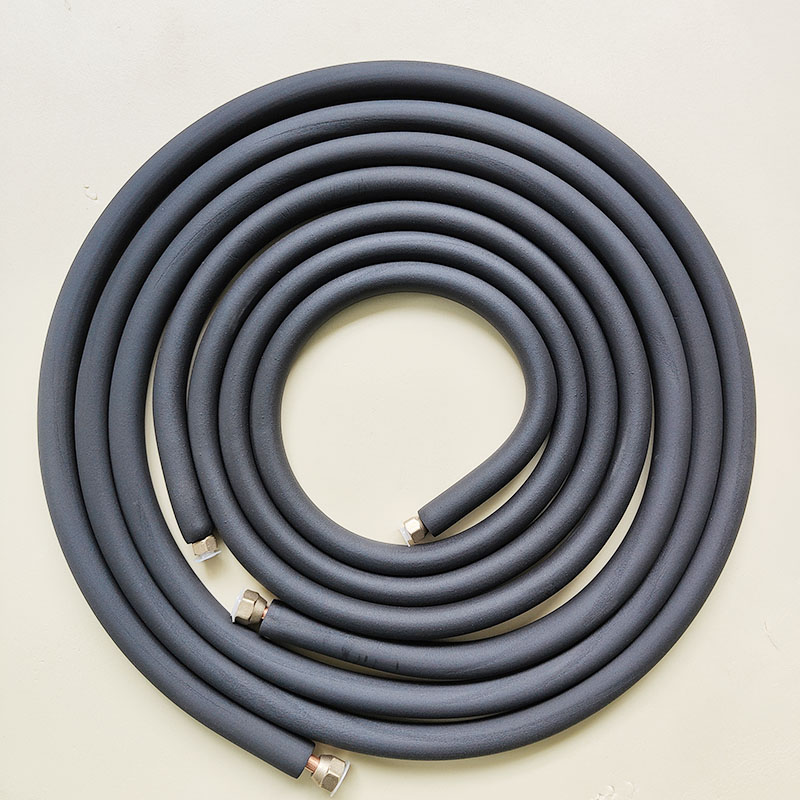
A closed-cell structure is a defining feature of most rubber insulation tubes. This structure prevents moisture from being absorbed into the material, which is critical for maintaining thermal performance and reducing the risk of mold growth. For HVAC and refrigeration applications, this moisture resistance helps in controlling condensation, especially in colder systems.
Rubber insulation tubes are known for their flexibility, making them ideal for use in tight spaces or around complex pipe configurations. Whether you need to insulate a curved pipe or a hard-to-reach section, rubber insulation can be easily manipulated to fit the shape of the pipe. For ease of installation, pre-slit or self-seal options can save time and effort. These types are especially beneficial in retrofit applications, allowing for quick and easy installation without the need for professional tools.
Rubber insulation tubes generally work well for both cold and warm systems. Nitrile rubber, for example, is great for controlling condensation in cold pipes, while EPDM can withstand higher temperatures, making it ideal for hot water systems or outdoor applications. For extremely high-temperature environments, such as industrial settings with steam lines, other materials, like fiberglass or mineral wool, may be necessary.
For indoor HVAC systems and plumbing, Nitrile rubber is typically the go-to choice due to its condensation control properties. It is flexible, cost-effective, and performs well in areas prone to moisture. Its ability to prevent condensation makes it a preferred material for cold water pipes, especially in basements, utility rooms, and garages.
When insulation is needed for outdoor HVAC systems or solar applications, EPDM rubber is the ideal option. Its UV resistance ensures long-lasting performance even in direct sunlight, and its ability to withstand extreme temperatures makes it suitable for solar heating systems. Unlike Nitrile, EPDM doesn't degrade under UV exposure, making it the best choice for applications exposed to weather elements.
Buna-N rubber is best suited for industrial applications where high thermal resistance and durability are required. Its superior performance under mechanical stress and temperature fluctuations makes it ideal for industrial refrigeration lines and HVAC systems in factories and manufacturing plants. If your system is exposed to oils, chemicals, or frequent vibrations, Buna-N insulation will offer reliable long-term performance.
The R-value is a key factor in determining the insulation effectiveness of rubber tubes. It measures the material's resistance to heat transfer. This table shows how different rubber insulation thicknesses impact R-value, ensuring the right choice for temperature control.
| Feature | Details | Applications | Advantages | Technical Specifications | Considerations |
|---|---|---|---|---|---|
| R-Value Range | Typically between 3.0 and 5.0 | Cold water pipes, air conditioning, refrigeration | Higher R-value improves insulation efficiency and reduces energy loss | R-value: 3.0–5.0 | Higher R-value is better for extreme environments |
| Insulation Thickness | Ranges from 1/4" to 2" | Residential and commercial systems, HVAC systems | Thicker insulation provides greater protection against heat loss | Recommended thickness: 1/2"–3/4" | Thicker material may be needed for freeze protection or extreme heat conditions |
| Energy Efficiency | Helps reduce energy consumption and prevent heat loss | Refrigeration, HVAC, plumbing | Reduces operational costs through better heat retention | Insulation efficiency: 50%–70% | Can be increased by using thicker insulation materials |
| Effectiveness in Condensation Control | Highly effective at preventing condensation on cold pipes | Refrigeration and chilled water lines | Prevents moisture accumulation and potential mold growth | Prevents condensation and corrosion | Ensure proper sealing and installation for maximum effect |
| Technical Considerations | Insulation thickness and material density affect R-value | Use in systems requiring temperature regulation | High-density insulation provides superior performance | Material density: 40–60 kg/m³ | Proper installation is crucial for maintaining R-value |
Tip: For environments with extreme temperature fluctuations, choose thicker rubber insulation to maximize energy efficiency and prevent heat loss or freeze damage.
A key function of rubber insulation tubes is their ability to control condensation, which can lead to water damage and mold growth. Rubber insulation, especially when used in refrigeration and chilled water systems, prevents moisture from forming on the surface of pipes. This helps in maintaining the integrity of both the insulation and the pipe system, reducing maintenance costs and extending the lifespan of the system.
When it comes to insulation tubes, choosing between unslit and pre-slit options depends on the application. Unslit tubes are solid and need to be slipped onto pipes before installation, while pre-slit tubes offer a longitudinal cut that makes them easier to apply over existing pipes. This table provides a detailed comparison of the two types, highlighting the differences in installation methods, benefits, and suitable applications.
| Feature | Unslit Tubes | Pre-Slit Tubes |
|---|---|---|
| Installation Method | Must be slid onto pipes before installation | Can be easily placed over existing pipes with a longitudinal cut |
| Application | Ideal for new installations or systems being built | Perfect for retrofitting or upgrading existing systems |
| Ease of Installation | Requires more time and effort during installation | Quick and easy installation, saving time and labor |
| Flexibility | Less flexible, as it requires the pipe to be uninstalled or accessible | Highly flexible and ideal for applications where pipes cannot be removed |
| Labor and Time Efficiency | Labor-intensive, requiring disassembly of pipes for installation | Saves labor and installation time, especially in retrofit scenarios |
| Cost | Generally more affordable | Slightly more expensive due to pre-slit design |
| Ideal Use Case | Best for new systems or where the pipe can be easily accessed | Best for retrofit applications, where pipes are already installed |
| Durability | Equal durability to pre-slit tubes, but installation is more cumbersome | Slightly more convenient, with the same level of durability |
Self-seal tubes come with a factory-applied adhesive strip, making installation quick and easy. These tubes can be applied without the need for additional fasteners or sealing agents, which reduces installation time. This feature is particularly beneficial for DIY projects or installations in areas that require minimal disruption, such as occupied buildings or facilities with tight schedules.
Rubber insulation is commonly used in residential plumbing systems, particularly for cold water pipes in basements, crawl spaces, or garages. It helps prevent heat loss and condensation, keeping the water temperature consistent and reducing the risk of pipe bursts during freezing temperatures.
In commercial refrigeration systems, rubber insulation is essential for maintaining optimal fluid temperatures, thus improving energy efficiency. Facilities like supermarkets or food processing plants can save significantly on energy costs—up to 30%—by using rubber insulation, which minimizes heat transfer and prevents energy loss. Rubber insulation also ensures that refrigerant remains at the required temperature, reducing wear on compressors and extending the system's lifespan.
Fire-rated rubber insulation is crucial in HVAC systems, particularly in plenum spaces where airflow can quickly spread fire. Rubber insulation materials must meet stringent fire safety standards such as ASTM E84, which tests flame spread and smoke development. Using fire-rated rubber insulation in these spaces ensures safety compliance while also providing thermal control. Studies confirm that using fire-rated insulation reduces the spread of smoke by up to 50%, ensuring better fire safety in commercial and residential buildings.
Rubber insulation tubes are durable and can last for many years, especially when they are not exposed to UV light or extreme temperatures. Nitrile rubber typically lasts longer indoors, while EPDM and Buna-N rubbers are designed for outdoor applications and harsh conditions. However, regular inspections should be performed to ensure that the insulation has not degraded or been damaged.
Proper maintenance of rubber insulation tubes is essential for ensuring optimal performance. Regularly check for signs of wear, such as cracking, discoloration, or holes in the insulation. Replacing damaged sections promptly can prevent issues like energy loss, condensation buildup, or pipe corrosion. For outdoor applications, it is important to inspect UV-protected materials to ensure that they are still functioning effectively.
Choosing the right rubber insulation tube is essential for maintaining system efficiency, controlling temperature, and preventing costly issues like condensation. Nitrile rubber is ideal for indoor applications, EPDM rubber excels in outdoor environments, and Buna-N rubber is best for industrial, high-temperature systems. Anhui Lukwom HVAC Equipment Co., Ltd. provides high-quality rubber insulation products designed to improve energy efficiency, extend system longevity, and ensure safety. By considering factors such as temperature range, installation ease, and environmental durability, you can make the best choice for your needs.
A: Rubber insulation tubes are typically made from materials like Nitrile (NBR/PVC), EPDM, or Buna-N. These materials provide excellent thermal insulation properties, helping to control temperature, reduce energy loss, and prevent condensation in various applications.
A: Thermal insulation in rubber tubes helps reduce heat loss and improve energy efficiency. It is particularly crucial in systems like HVAC and refrigeration, where maintaining the desired temperature is vital for performance and cost savings.
A: For building construction, choose rubber insulation tubes based on the system's temperature range and environmental exposure. Nitrile is great for indoor applications, while EPDM is ideal for outdoor use due to its UV resistance and durability.
A: Yes, rubber insulation tubes with a closed-cell structure effectively prevent condensation. This is especially important in refrigeration and HVAC systems where condensation can lead to water damage and mold growth.
A: The cost of rubber insulation tubes varies based on material type and thickness. Nitrile rubber is typically the most affordable, while EPDM may cost slightly more due to its UV resistance, making it suitable for outdoor use.
A: Rubber insulation tubes offer excellent thermal insulation properties, especially in terms of flexibility and condensation control. Compared to materials like fiberglass, rubber insulation is more adaptable to complex pipe shapes and provides better moisture resistance.


