Introduction
Are your heating bills too high? Copper pipe insulation could be the solution. Without proper insulation, heat escapes quickly, increasing energy costs and risking damage. In this guide, we’ll explore how to install rubber tube insulation on your copper heating pipes. You'll learn the steps to ensure long-lasting performance and improve energy efficiency. By following our tips, you'll prevent heat loss, protect your pipes from freezing, and reduce overall energy consumption.
Why Insulate Copper Heating Pipes?
Energy Savings
Proper insulation for copper pipes is crucial in reducing heat loss, particularly in hot water systems. According to the U.S. Department of Energy, insulating hot water pipes can reduce energy consumption by up to 4% to 5% annually. Rubber tube insulation, with its closed-cell structure, minimizes heat transfer, ensuring hot water remains at the desired temperature longer. This reduces the need for your heating system to work overtime, ultimately lowering energy bills. Additionally, rubber insulation's flexibility makes it easy to install around tight bends, ensuring comprehensive coverage and maximizing energy efficiency.
Preventing Condensation
Condensation can form on cold water pipes or during seasonal changes, causing moisture buildup on your copper pipes. This moisture can eventually lead to mold growth, water damage, and increased maintenance costs. Insulating copper pipes helps prevent condensation by maintaining the temperature of the pipes and keeping the surrounding air from affecting the pipe's surface.
Protecting Pipes from Damage
In colder climates, copper pipes without insulation are particularly vulnerable to freezing, which can result in pipes bursting and significant water damage. According to the U.S. Department of Energy, uninsulated pipes in unheated spaces can freeze in temperatures below 20°F (-6°C). Rubber tube insulation helps mitigate this risk by providing a thermal barrier, ensuring pipes maintain a stable temperature. Studies show that properly insulated pipes can reduce the likelihood of freezing by up to 90%. Additionally, rubber insulation, with its moisture-resistant and flexible properties, allows for easier installation, especially in tight spaces or complex pipe configurations, further enhancing pipe longevity and minimizing the risk of costly repairs.
Choosing the Right Rubber Tube Insulation for Copper Pipes
Material Options
When selecting the right insulation for your copper heating pipes, it’s important to consider the material’s durability, flexibility, and thermal resistance. Rubber insulation tubes offer great performance, but understanding the options helps you make the best choice for your needs.
| Type | Advantages | Applications | Considerations | Technical Specifications |
| Rubber Insulation Tube | Flexible, durable, excellent thermal resistance | Suitable for both indoor and outdoor copper piping systems | Suitable for wet environments, UV protection needed for outdoor use | Low thermal conductivity, closed-cell structure, ideal for hot water pipes |
| Polyethylene Insulation Tube | Low cost, easy to install, good thermal insulation properties | Suitable for low-temperature environments | Not suitable for high-temperature or long-term outdoor exposure | Moderate thermal conductivity, lower temperature resistance |
| Foam Insulation Tube | Lightweight, affordable, easy to install | Indoor cold water piping systems | Less effective outdoors or in high-temperature environments, needs extra protection | Moderate thermal conductivity, moisture and mold resistance are poor |
| Fiberglass Insulation Tube | High durability, high heat resistance | Hot water pipes, HVAC systems | Needs protective covering during installation, irritates skin and lungs | Low thermal conductivity, high temperature tolerance, heavier |
Tip: For outdoor use, ensure your rubber insulation is UV-resistant to prevent long-term degradation.
Correct Pipe Size and Thickness
Proper insulation thickness ensures maximum thermal resistance. This table outlines the ideal insulation sizes based on pipe dimensions, ensuring the perfect fit and effectiveness in reducing heat loss and energy consumption.
| Pipe Size | Suitable Rubber Insulation Size | Recommended Insulation Thickness | Application Scenario | Considerations |
| 1/2-inch Pipe | Outer Diameter: 5/8-inch | Thickness: 1/2-inch | Hot water pipes | Ensure insulation fits snugly to avoid heat loss |
| 3/4-inch Pipe | Outer Diameter: 7/8-inch | Thickness: 5/8-inch | Heating systems | Insulation should cover the entire pipe to avoid gaps |
| 1-inch Pipe | Outer Diameter: 1-1/8-inch | Thickness: 3/4-inch | High-temperature piping | Use thicker insulation for higher temperature retention |
| 1-1/4-inch Pipe | Outer Diameter: 1-3/8-inch | Thickness: 1-inch | Industrial applications | Ensure tight sealing to prevent air gaps and heat escape |
Tip: Always measure the pipe diameter accurately before selecting insulation to avoid any gaps that could undermine insulation efficiency.
Durability and Longevity of Rubber Insulation
Rubber tube insulation is known for its long-lasting durability. It is resistant to cracking, weathering, and chemicals, making it suitable for both indoor and outdoor use. Unlike other types of insulation, rubber is flexible and can easily adapt to pipes with tight bends or complex configurations, offering long-term performance even in challenging environments.
Preparation Steps for Installing Rubber Tube Insulation
Turn Off the Heating System
Before beginning any insulation work, always shut off the heating system and allow the pipes to cool down. This step not only ensures your safety but also prevents accidental damage to the system. Working with hot water pipes while the system is on can lead to burns, leaks, or pressure build-up, which can disrupt the insulation process. Turning off the system ensures a controlled environment, preventing thermal shock and minimizing the risk of accidents or damage during installation.
Clean the Copper Pipes
Proper cleaning of the copper pipes is crucial for the insulation to adhere effectively. Wipe the pipes with a dry cloth to remove dust, moisture, or oil. Research from the Building America program shows that even minor contaminants can reduce insulation performance by up to 30%, leading to higher energy consumption. A clean surface ensures proper sealing, reducing the risk of heat loss and preventing mold or mildew growth in damp conditions.
Measure the Pipes
Accurate measurement of both the length and diameter of the copper pipes ensures a snug fit for the rubber tube insulation. The U.S. Department of Energy recommends using precise measurements to avoid gaps that may increase energy costs by 10-15%. Properly fitting insulation ensures maximum thermal resistance, reducing heat loss and improving energy efficiency, particularly in heating systems. Accurate measurements also help prevent wasting materials, ensuring the right amount of insulation is purchased.
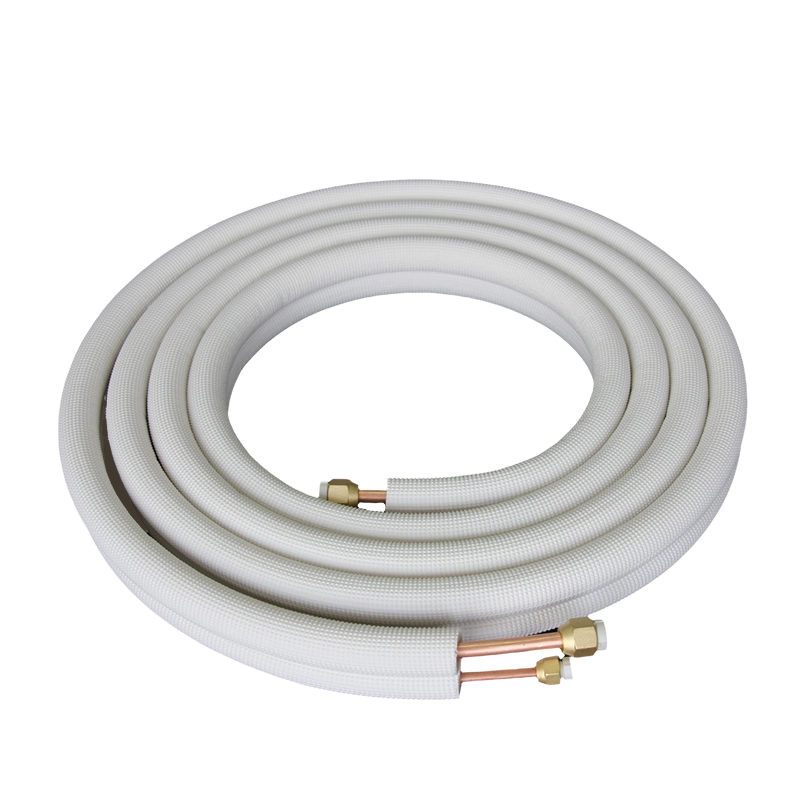
Step-by-Step Guide to Installing Rubber Tube Insulation
Cutting and Fitting the Insulation
When cutting and fitting rubber tube insulation, use a sharp utility knife to ensure precise cuts for a snug fit. It's recommended to cut the insulation slightly longer than the length of the pipe to guarantee full coverage. Research shows that even small gaps in insulation can reduce its effectiveness by up to 25%, leading to higher energy loss. Additionally, when cutting, ensure the edges are clean and straight to avoid any air gaps. Properly fitted insulation not only minimizes heat loss but also prevents condensation buildup, which can lead to mold or pipe corrosion.
Wrapping and Securing the Insulation
Installing rubber tube insulation correctly is key to its long-term effectiveness. This table breaks down the installation steps, ensuring you achieve a snug, sealed fit that maximizes the benefits of thermal insulation.
| Step | Action | Considerations | Effect/Efficiency |
| Cutting the Insulation | Use a sharp utility knife to cut the insulation to the desired length | Ensure cuts are clean and slightly longer than the pipe length to prevent gaps | Ensures full coverage, significantly reduces heat loss |
| Wrapping the Pipe | Open the pre-slit rubber tube and wrap it around the pipe, keeping the slit facing down | Ensure the slit is tightly aligned to prevent moisture entry | Provides a long-lasting thermal barrier, reduces moisture build-up |
| Securing the Insulation | Use zip ties, tape, or other fasteners every 1-2 feet to secure the insulation | Secure without over-tightening to avoid compressing the insulation | Ensures long-term stability of insulation, prevents shifting over time |
| Sealing the Seams | Use adhesive tape or rubber cement to seal seams tightly | Use appropriate adhesive to prevent air or moisture infiltration | Increases thermal efficiency and prevents heat loss and condensation |
Tip: Don’t over-tighten zip ties or fasteners as they can compress the insulation, reducing its thermal performance.
Sealing the Seams
Sealing the seams of rubber tube insulation is essential for maximizing its effectiveness. Use high-quality adhesive tape or rubber cement to create a tight, airproof seal. Studies show that improperly sealed seams can reduce insulation efficiency by up to 30%, leading to increased energy consumption. Proper sealing also prevents moisture from entering the insulated area, which could otherwise lead to condensation, mold growth, or pipe corrosion. A well-sealed insulation system ensures that heat stays contained, improving the overall energy efficiency of your heating system.
Handling Corners, Elbows, and Joints
Fitting the Insulation Around Elbows
For 90-degree bends or elbows, cut the ends of the rubber tube insulation at a 45-degree angle to ensure a tight fit. This approach prevents gaps that could lead to heat loss. Studies show that improperly insulated corners can increase energy loss by up to 20%. If the bend is sharp, create small notches on the insulation to allow smooth bending without kinks, ensuring that the insulation covers the pipe fully for optimal heat retention.
Insulating T-Joints
When working with T-joints, carefully carve out notches in the main insulation tube to fit the branch pipe securely. You can also use specialized elbow or T-joint fittings to ensure a tight, airproof seal. Research from energy efficiency programs indicates that T-joints are common areas for heat loss, making a proper seal at these junctions essential for maintaining system efficiency. A well-sealed T-joint can reduce energy loss by up to 15%.
Sealing at Fittings
Sealing all joints and fittings is crucial to prevent air leakage and maintain the insulation's performance. Gaps at fittings can increase energy costs by 10-15%, as heat escapes through these vulnerable points. Use high-quality adhesive tape or rubber cement to ensure a tight, lasting seal around all fittings. Proper sealing also prevents moisture buildup, which could lead to pipe corrosion or mold growth, ensuring that the insulation continues to work effectively over time.
Ensuring Long-Term Performance of Insulated Pipes
Checking for Gaps or Loose Sections
After installing the rubber tube insulation, it's essential to thoroughly inspect the entire system for gaps or loose sections. Even small gaps can reduce the insulation's effectiveness by allowing heat to escape, increasing energy costs by up to 10-15%. Research from energy efficiency studies shows that gaps in the insulation can also lead to condensation buildup, which may cause mold growth or pipe corrosion. Tighten any loose sections and seal gaps with additional tape or adhesive to ensure the insulation provides continuous protection and energy savings. Regular inspections ensure optimal long-term performance.
Maintenance Tips
Routine maintenance of insulated pipes is essential to preserve their performance. This table provides key inspection points and actions, helping you extend the lifespan of both your insulation and your pipes.
| Inspection Item | Inspection Content | Best Time for Inspection | Maintenance Actions | Effect |
| Checking for Gaps or Loose Sections | Inspect for any loose or damaged insulation | At least twice a year, especially during seasonal transitions | Tighten any loose sections and seal gaps with extra tape or adhesive | Maintains effective thermal isolation, prolongs pipe and insulation lifespan |
| Checking for Environmental Impact | Inspect if outdoor pipes are affected by UV rays or harsh weather conditions | Quarterly inspections | If UV degradation is noticed, add extra protection or replace damaged sections | Ensures insulation remains effective, extends performance over time |
| Checking Performance in High-Temperature or Humid Environments | Inspect for deterioration in high-temperature or humid areas | Seasonal check-up | Clean and maintain the insulation, ensure no moisture or dirt accumulation | Reduces the risk of pipe damage, maintains energy efficiency |
Tip: Regularly inspect outdoor pipes for UV damage and reapply protective layers to maintain their insulation performance.
Protecting Outdoor Insulated Pipes
If your copper pipes are located outdoors, it's crucial to use UV-resistant rubber insulation or add protective jacketing to shield them from the harmful effects of ultraviolet (UV) rays. UV exposure can cause some insulation materials to degrade over time, reducing their thermal efficiency and leading to cracks or brittleness. Studies show that UV degradation can reduce insulation performance by up to 25%. To prevent this, ensure the insulation is rated for outdoor use or cover it with a protective layer, such as a weather-resistant jacket, to prolong its lifespan and maintain energy efficiency.
Common Mistakes to Avoid When Insulating Copper Pipes
Over-tightening Fasteners
When securing rubber insulation with zip ties or fasteners, avoid overtightening, as this can compress the material, reducing its insulating efficiency. Research shows that over-compressing insulation by even 10% can lower its R-value by up to 15%. The insulation needs to maintain its full thickness to effectively reduce heat loss. Secure the insulation just enough to hold it in place, ensuring a tight fit without damaging the material, which will help maintain long-term thermal performance.
Not Sealing All Joints Properly
Improper sealing of seams and joints can lead to air infiltration, causing significant heat loss and moisture buildup. Studies show that gaps in insulation can reduce overall efficiency by 20%, leading to higher energy consumption. It’s essential to tightly seal all seams and joints, especially around corners, elbows, and fittings, using high-quality adhesive tape or rubber cement. Proper sealing ensures that the insulation performs at its best, preventing condensation and improving energy efficiency over time.
Using Inappropriate Insulation Materials
Not all insulation materials are suitable for copper heating pipes. Rubber tube insulation is specifically designed to provide the flexibility and durability needed for effective thermal protection. Avoid using materials that are prone to cracking or that don't provide sufficient thermal resistance.
Conclusion
Proper insulation of copper heating pipes with rubber tube insulation is crucial for boosting energy efficiency, preventing condensation, and protecting your pipes. By following the step-by-step guide provided, you can ensure long-lasting insulation performance and reduce energy costs. Installing rubber tube insulation enhances your heating system’s efficiency and contributes to a more sustainable and cost-effective environment. For durable, reliable, and efficient insulation solutions, Anhui Lukwom HVAC Equipment Co., Ltd. offers high-quality products designed to optimize energy savings and extend the lifespan of your systems.
FAQ
Q: What is copper pipe insulation and why is it important?
A: Copper pipe insulation is a protective covering made from materials like rubber or foam, designed to reduce heat loss from copper pipes. It is important because it helps maintain water temperature, improves energy efficiency, and prevents pipes from freezing in cold climates.
Q: How do I install rubber tube insulation on copper heating pipes?
A: To install copper pipe insulation, cut the rubber tube to the desired length, wrap it around the pipe, and secure it with zip ties or tape. Ensure the seams are tightly sealed to prevent heat loss and condensation.
Q: Can rubber insulation improve both sound and heat proofing?
A: Yes, rubber tube insulation not only helps with heat proofing by reducing heat loss but also provides soundproofing benefits by dampening noise from water flow, making it ideal for both heating and noise control.
Q: How does copper pipe insulation help reduce energy costs?
A: Copper pipe insulation minimizes heat loss from hot water pipes, ensuring that hot water stays warmer longer. This reduces the workload on your heating system, leading to lower energy consumption and reduced utility bills.
Q: What materials are best for insulating copper pipes?
A: Rubber tube insulation is an excellent choice for copper pipe insulation as it offers durability, flexibility, and superior thermal resistance. It also helps with soundproofing, reducing both heat loss and noise in HVAC systems.
Q: Does insulation prevent pipes from freezing in colder climates?
A: Yes, copper pipe insulation provides a protective layer that prevents heat loss, helping to keep pipes from freezing in cold weather. This protection extends the lifespan of your pipes and reduces the risk of costly repairs.


