Introduction
HVAC systems are essential for indoor comfort in all climates, from hot deserts to freezing environments. The key to their efficient performance lies in one vital component: insulation. Quality rubber insulation, including copper pipe insulation, ensures these systems work effectively and last longer. In this article, we will discuss the critical role of rubber insulation in HVAC systems. You will learn how it boosts energy efficiency, controls condensation, reduces noise, and enhances long-term durability.
What is Rubber Insulation and Why is it Essential for HVAC?
Understanding Rubber Insulation
Rubber insulation is a flexible, durable material used to insulate HVAC systems, including ducts, pipes, and components of air conditioning and heating units. Its closed-cell structure makes it an excellent thermal insulator, preventing unwanted heat gain or loss, which helps in maintaining consistent temperatures.
Key Functions in HVAC Systems
Rubber insulation performs several vital functions in HVAC systems:
Energy Efficiency: Minimizes heat loss and gain, reducing the workload on HVAC components.
Condensation Control: Prevents moisture buildup on cold surfaces, protecting against corrosion and mold.
Noise Reduction: Dampens vibrations and reduces operational noise.
Materials Used in Rubber Insulation
This table highlights the various types of rubber insulation materials commonly used in HVAC systems, comparing their properties, applications, and efficiency for different environments.
| Material Type | Best Use Case | Key Properties | Applications | Efficiency | Temperature Resistance | Durability |
| Nitrile (NBR) | General indoor use | Oil resistance, budget-friendly | Ideal for refrigerant lines and indoor HVAC | Good | Up to 105°C | Moderate |
| EPDM | Outdoor units & VRF systems | Superior UV/weather resistance, handles up to 150°C | Used in exposed pipes and external systems | High | Up to 150°C | High |
| Silicone Rubber | Extreme high-temperature environments | Flexible, performs up to 250°C, chemical resistance | Suitable for high-heat industrial HVAC systems | Excellent | Up to 250°C | Very High |
Tip: Choose the right rubber insulation material based on your HVAC system's specific needs. For outdoor systems, EPDM is ideal, while silicone rubber performs best in extreme temperature settings.
How Rubber Insulation Improves HVAC System Efficiency
Minimizing Thermal Loss and Energy Consumption
Here we compare different insulation types, focusing on thermal conductivity and their impact on energy efficiency, helping you understand how rubber insulation reduces energy consumption.
| Insulation Type | Thermal Conductivity | Energy Efficiency Impact | Primary Benefits | Applications | Efficiency |
| Rubber Insulation | 0.30 BTU-in/hr·ft²·°F | Significant reduction in heat loss and gain | Lowers energy consumption, reduces load on HVAC system | Used in copper pipe insulation, ducts, refrigerant lines | High |
| Fibrous Insulation | 0.50 BTU-in/hr·ft²·°F | Moderate energy savings | Requires more frequent maintenance and may degrade over time | Used in basic insulation tasks | Moderate |
| Polystyrene Foam | 0.40 BTU-in/hr·ft²·°F | Less energy-efficient than rubber | Budget-friendly but less durable than rubber | Common in residential insulation | Moderate |
Tip: For maximum energy savings, choose rubber insulation with low thermal conductivity. It helps reduce the overall workload on your HVAC system, improving energy efficiency.
Enhancing Heat Transfer Efficiency
Rubber insulation is essential for maintaining consistent airflow temperatures in HVAC systems. It prevents heat loss or gain in pipes and ducts, allowing refrigerant or air to maintain its intended temperature. According to ASHRAE, proper insulation can reduce energy consumption by 20-30%, as it minimizes the need for the system to overcompensate for temperature fluctuations. This reduction in energy use leads to lower operating costs and improved system efficiency, especially in high-demand applications like commercial refrigeration and large-scale HVAC installations.
The Role in Reducing System Strain
By stabilizing temperatures, rubber insulation helps prevent temperature fluctuations that put unnecessary stress on HVAC components. This reduces the frequency of compressor cycling, which can consume excessive energy and increase wear. Studies have shown that systems with proper insulation can achieve up to 40% longer lifespans for compressors and other key components. This not only enhances energy efficiency but also reduces maintenance costs and downtime, making rubber insulation a key factor in the long-term performance of HVAC systems.
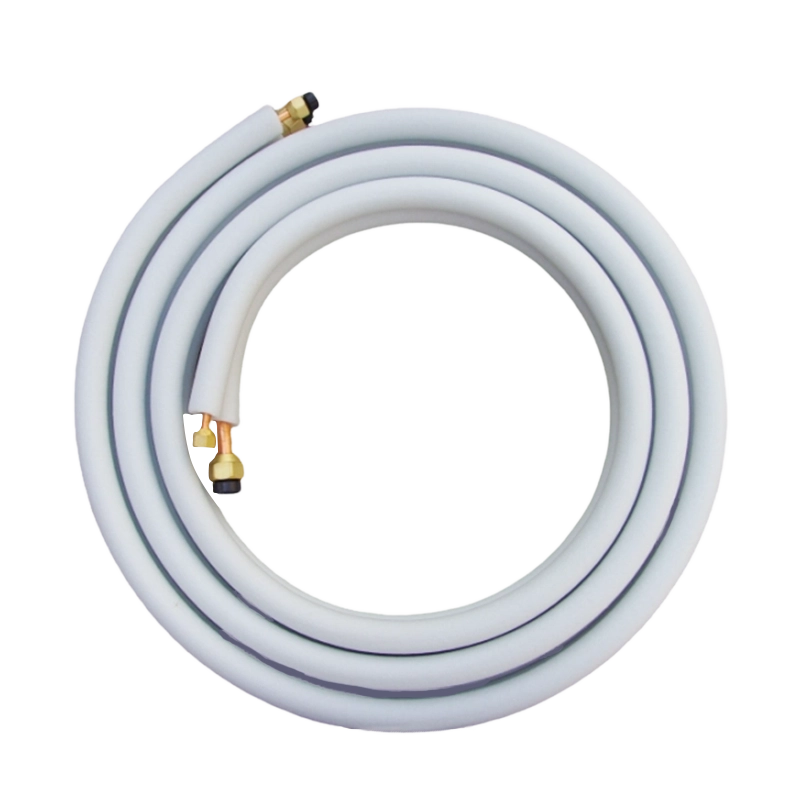
Condensation Control and Moisture Protection in HVAC Systems
The Problem of Condensation
Condensation is a major issue in HVAC systems, particularly in humid environments. When moist air comes into contact with cold pipes or ducts, it cools below its dew point, leading to water buildup. This moisture can cause rust, corrosion, and mold, which not only damages the system but also degrades indoor air quality. According to studies, mold growth in HVAC systems can reduce system efficiency by up to 25%. Rubber insulation acts as a barrier, maintaining surface temperatures above the dew point and preventing condensation, thereby protecting HVAC systems from long-term damage and ensuring cleaner, healthier indoor environments.
How Rubber Insulation Prevents Condensation
This table compares rubber insulation's moisture resistance with alternatives, highlighting how it prevents condensation and protects HVAC equipment from moisture-related damage.
| Feature | Rubber Insulation | Alternative Insulation | Moisture Resistance | Effectiveness | Maintenance Needs | Temperature Range | Key Benefit |
| Vapor Barrier | Closed-cell structure prevents moisture entry | Open-cell foam, fibrous insulation allows moisture absorption | Excellent, blocks moisture | Very High | Low | -70°F to 220°F | Long-term protection against corrosion and mold |
| Condensation Control | Maintains temperature above dew point | Ineffective at preventing condensation | Low moisture absorption rate | High | Moderate | -40°F to 250°F | Prevents rust and mold growth |
| Prevention of Structural Damage | Rubber protects pipes and ducts from rust and mold | Moisture can degrade other materials | Very effective in humid conditions | High | Minimal | -70°F to 250°F | Helps extend system life |
Tip: Rubber insulation's ability to control condensation and prevent water damage makes it a wise choice for long-term HVAC system reliability. Avoid alternatives that allow moisture absorption.
Protecting HVAC Equipment from Damage
Rubber insulation plays a crucial role in protecting HVAC systems from moisture-related damage. When condensation forms on uninsulated pipes and ducts, it can lead to corrosion, rust, and even electrical malfunctions. According to a report by the U.S. Department of Energy, improper insulation can reduce HVAC system efficiency by up to 30% due to moisture buildup and corrosion. By keeping HVAC components dry, rubber insulation prevents rust and mold, extending the lifespan of key parts like compressors and evaporators. This reduces the need for frequent repairs and ensures the system operates at peak efficiency.
Noise Reduction and Vibration Dampening
The Importance of Quiet HVAC Systems
HVAC systems, particularly air conditioners and heat pumps, often generate noise and vibrations that can disrupt both commercial and residential environments. Studies show that prolonged exposure to high HVAC noise levels can increase stress and reduce productivity in workplaces, with some reports indicating a 10-15% decrease in workplace efficiency. Quality rubber insulation helps dampen these noises by absorbing vibrations, significantly reducing sound transmission. This results in quieter operation, promoting a more comfortable and productive environment, while also preventing structural damage caused by vibrations, especially in older buildings or sensitive areas like hospitals.
Rubber’s Ability to Absorb Sound
This table demonstrates the noise and vibration dampening effectiveness of rubber insulation, emphasizing its role in creating quieter and more comfortable HVAC environments.
| Noise Type | Rubber Insulation | Alternative Insulation | Sound Absorption | Vibration Dampening | Efficiency | Applications |
| Airflow Noise | Dampens vibrations effectively | Less effective at controlling noise | High | Moderate | High | Used in ducts and piping |
| Compressor Noise | Great for reducing mechanical noise | Generally ineffective for this type | Very High | High | High | Applied in air conditioning units |
| General Operational Noise | Reduces both air and mechanical noise | Moderate sound absorption | High | High | Very High | Used in residential and commercial HVAC systems |
Tip: To maintain a quiet environment, choose rubber insulation, especially in systems with high mechanical noise like air conditioners and compressors. It significantly reduces vibrations and operational sounds.
Creating Quieter, More Comfortable Environments
Noise from HVAC units can be a significant concern in both commercial and residential spaces, affecting comfort and productivity. Research shows that reducing HVAC noise can improve worker efficiency by up to 20% in office environments. Rubber insulation helps mitigate noise by acting as an effective soundproofing material, absorbing vibrations from compressors, fans, and ducts. This results in quieter operations, promoting a more comfortable living and working space. In residential settings, quieter HVAC systems enhance the quality of life, while in commercial spaces, noise reduction can improve client satisfaction and employee well-being.
Durability and Longevity of Rubber Insulation
Rubber’s Resistance to Environmental Factors
Rubber insulation is exceptionally resistant to environmental stressors, including UV radiation, moisture, and extreme temperatures. In outdoor HVAC applications, such as refrigerant lines exposed to direct sunlight or harsh weather, rubber insulation maintains its integrity, reducing the risk of damage. Studies show that UV-resistant rubber can last up to 15 years in outdoor conditions, significantly outperforming other materials. This durability ensures that HVAC systems continue to perform efficiently over time without frequent repairs, making rubber insulation a reliable and cost-effective solution.
Long-Term Performance in Harsh Conditions
Unlike fibrous insulation, which degrades under moisture and temperature fluctuations, rubber insulation’s closed-cell structure prevents water absorption and retains its insulating properties. This results in a longer lifespan for HVAC systems, even in extreme climates. Research indicates that systems with rubber insulation experience up to 40% fewer repairs, making it a long-term investment.
Reducing Maintenance Costs
Durable rubber insulation minimizes the need for frequent maintenance, reducing long-term repair costs. By protecting HVAC components from environmental damage, rubber insulation helps extend system lifespan. In fact, a study by the U.S. Department of Energy showed that properly insulated systems can last up to 30% longer, reducing the frequency of costly repairs and replacements.
Compliance with Industry Standards and Regulations
Meeting Energy Efficiency Codes
Rubber insulation plays a significant role in meeting energy efficiency codes, such as those outlined by ASHRAE and the International Energy Conservation Code (IECC). Proper insulation ensures that HVAC systems adhere to stringent energy efficiency standards, which is critical for commercial buildings aiming to reduce energy consumption.
Fire Safety Standards for Insulation
High-quality rubber insulation complies with essential fire safety standards, such as NFPA 90A and Euroclass B, to prevent ignition and slow the spread of fire. In commercial HVAC systems, where large-scale operations and high traffic occur, fire safety is critical. Rubber’s fire-resistant properties ensure that, in the event of a fire, the system will not contribute to its spread, protecting both personnel and property. This is particularly important in industries like healthcare and manufacturing, where fire risks are higher.
Environmental Certifications
Rubber insulation products that meet certifications like GREENGUARD Gold not only enhance air quality but also contribute to a sustainable environment. These certifications ensure that the insulation has low levels of volatile organic compounds (VOCs), improving indoor air quality. In commercial settings, using GREENGUARD-certified insulation can contribute to green building certifications, such as LEED, helping businesses meet environmental goals. According to studies, buildings with certified low-VOC materials can improve occupant health and productivity by reducing exposure to harmful chemicals.
Applications of Rubber Insulation in HVAC Systems
Ductwork and Air Handling Units
Rubber insulation is highly effective in ductwork and air handling units, where it helps reduce thermal loss by maintaining the temperature of the air circulating through the system. It also prevents condensation, which can lead to mold and corrosion, thereby protecting the system from damage. Additionally, rubber insulation dampens noise, which is crucial in commercial and residential settings. Research indicates that insulating ductwork with rubber can reduce energy consumption by up to 25%, improving HVAC system efficiency and reducing operational costs.
Refrigerant Lines and Piping
Rubber insulation plays a crucial role in maintaining the temperature of refrigerant lines and piping. Proper insulation prevents heat exchange with the surrounding environment, ensuring that the refrigerant remains at the optimal temperature. This reduces energy loss, allowing HVAC systems to operate more efficiently. Studies show that insulated refrigerant lines can improve system efficiency by up to 15%, significantly lowering energy costs and enhancing overall performance, especially in large-scale cooling and refrigeration systems.
Sealing Components like Gaskets and Pipes
Rubber is widely used in sealing HVAC components such as gaskets and pipes, ensuring that air and energy do not leak from the system. By creating airtight seals, rubber insulation prevents the loss of conditioned air, improving energy efficiency and reducing the load on HVAC units. According to the U.S. Department of Energy, properly sealed HVAC systems can reduce energy losses by up to 10%, leading to lower operating costs and prolonged equipment life. Rubber seals also prevent dirt and moisture ingress, further enhancing system performance.
Conclusion
Quality rubber insulation plays a critical role in the performance of HVAC systems. It ensures energy efficiency, reduces moisture damage, and creates quieter, more comfortable environments. Rubber insulation is durable and meets strict industry standards, making it a long-lasting investment. Companies like Anhui Lukwom HVAC Equipment Co., Ltd. offer high-quality rubber insulation products that help HVAC systems perform at their best. Their products ensure optimal efficiency, reduce maintenance costs, and support sustainability efforts, making them an essential choice for any HVAC system.
FAQ
Q: What is copper pipe insulation and why is it important for HVAC systems?
A: Copper pipe insulation helps prevent heat loss or gain in HVAC systems, maintaining consistent temperatures in refrigerants. It reduces energy consumption, prevents condensation, and protects the system from damage, ensuring better performance and longevity.
Q: How does rubber insulation benefit HVAC systems?
A: Rubber insulation minimizes thermal loss, prevents condensation, reduces noise, and protects HVAC components from moisture damage. It helps HVAC systems run more efficiently, reducing energy consumption and maintenance costs.
Q: Why is rubber insulation preferred for refrigeration and heating systems?
A: Rubber insulation is highly durable, resistant to UV radiation, moisture, and extreme temperatures. It ensures optimal temperature control and energy efficiency, making it ideal for both refrigeration and heating systems.
Q: Can rubber insulation reduce the need for HVAC maintenance?
A: Yes, rubber insulation protects HVAC systems from temperature fluctuations and moisture buildup, reducing wear and tear. This helps extend the system's lifespan and reduces the frequency of costly repairs.
Q: What are the advantages of using rubber insulation in HVAC ductwork?
A: Rubber insulation helps prevent energy loss, dampens noise, and reduces condensation in HVAC ductwork. It improves system efficiency, making it a cost-effective solution for both residential and commercial HVAC installations.
Q: How does copper pipe insulation affect energy consumption in HVAC systems?
A: Copper pipe insulation minimizes heat transfer, preventing energy waste. Properly insulated pipes ensure refrigerants remain at the desired temperature, reducing system strain and lowering overall energy usage, leading to cost savings.


