
Tel:
+86-551-6346-0808
Factory Add:
Plant 5-6, Zhongnan High Tech Industrial Park, Zhegao, Chaohu City, Anhui. 

Views: 0 Author: Site Editor Publish Time: 2026-11-22 Origin: Site
Are dripping AC pipes ruining your drywall or leaving puddles in the basement? Unchecked condensation on refrigerant lines goes far beyond a simple visual nuisance. It actively fuels toxic mold growth, rots building structures, and wrecks the energy efficiency of an HVAC system.
This frustrating phenomenon occurs when warm, humid summer air collides with the freezing suction line of an air conditioner. Standard open-cell foam tubes usually fail to stop the sweating. Upgrading to a high-quality closed-cell polyethylene sheet, however, offers a permanent, moisture-proof fix.
In this comprehensive guide, we break down the exact thermodynamics behind pipe sweating. Furthermore, we compare advanced insulation materials, provide a core selection matrix, and share a field-tested installation process to help engineers and property owners achieve a condensation-free setup.
Condensation is a strict physical reaction triggered when humid ambient air contacts cold refrigerant lines; stopping it requires a 100% closed-cell vapor barrier.
A polyethylene foam barrier objectively outperforms traditional nitrile butadiene rubber due to exceptional moisture resistance and long-term structural stability.
Chemical cross-linked polyethylene foam provides robust thermal insulation and high cost-effectiveness, making it the industry standard for large-scale commercial HVAC projects.
Electronic cross-linked polyethylene foam features an ultra-smooth surface and superior flexibility, ideal for high-end residential installations or tight-space retrofits.
Proper installation demands precise measuring, zero air gaps, and heavy-duty seam sealing to shield the system against UV degradation and physical abrasion.
Condensation on air conditioning copper pipes is not a plumbing leak. It is a strict matter of thermodynamics. Air circulating inside and outside a property contains invisible water vapor. As air temperatures rise, the capacity to hold moisture increases. Conversely, when this warm, humid air brushes against the AC system's suction line—which typically carries refrigerant chilled between 40°F and 50°F—the surrounding air rapidly cools.
As the air cools, it loses its moisture-holding capacity. Once the temperature plummets below a specific threshold known as the dew point, that invisible vapor undergoes a phase change. It instantly transforms into liquid water droplets on the pipe surface. If the copper remains exposed, or if the protective barrier is compromised, this sweating process continues relentlessly as long as the compressor runs.
Ignoring these sweating lines leads to cascading failures across both the building structure and the cooling system itself. Specifically, when traditional open-cell materials become wet, water replaces the insulating air pockets. Since water conducts heat roughly 25 times faster than air, wet insulation entirely loses its thermal resistance. Consequently, the compressor must work significantly harder to maintain target indoor temperatures. This drives up electricity bills and shortens equipment lifespan. Beyond energy loss, dripping water from overhead lines destroys drop ceilings, warps wooden framing, and creates the perfect breeding ground for black mold.
Standard open-cell foam or cheap rubber insulation is highly susceptible to this vapor drive. Temperature fluctuations and harsh environmental exposure cause traditional rubber to turn brittle and crack over time. Once microscopic fissures open up, vapor pressure forces humid air straight through the material matrix until it hits the cold copper, initiating a destructive cycle of corrosion under insulation.
Polyethylene foam is a durable, lightweight thermoplastic engineered with a strict closed-cell structure. During manufacturing, the polymer expands to form millions of microscopic bubbles. Because it is closed-cell, these bubbles are entirely sealed off from one another. They do not interconnect. This means there are zero pathways for ambient air or liquid water to traverse through the material.
The fundamental mechanism that eliminates pipe sweating is the total blockade of vapor transmission. By trapping inert gas within its dense cellular walls, a premium Pe Insulation Sheet acts as an absolute moisture barrier. High-quality variants typically boast a thermal conductivity as low as 0.032 W/m·K and exceptional water vapor permeability resistance. Water vapor simply cannot penetrate the polyethylene. If the humid ambient air is physically blocked from ever touching the freezing copper substrate, condensation becomes physically impossible.
For decades, Nitrile Butadiene Rubber served as the default choice for pipe wrapping. Empirical field data and modern engineering standards now demonstrate that PE foam offers distinct commercial advantages. Polyethylene boasts a significantly lower water vapor transmission rate than rubber, making it vastly superior in high-humidity climates. In addition, it is inherently more resistant to tearing, puncturing, and compression. While rubber often degrades into a powdery residue when exposed to ozone and ultraviolet light, PE foam maintains its flexibility and insulation value for a much longer operational lifecycle.
Industry Trend Analysis: The commercial HVAC sector is currently experiencing a massive shift toward closed-cell polyethylene materials. Driven by increasingly stringent global energy efficiency codes and a growing emphasis on sustainable building practices, mechanical contractors are moving away from traditional elastomeric rubber. Market data indicates that facility managers now demand insulation solutions that offer decades of maintenance-free performance without degrading. Because PE foams resist mold growth, handle thermal cycling without cracking, and do not off-gas harmful chemicals as they age, they are rapidly becoming the preferred specification for both eco-conscious residential developments and heavy-duty industrial refrigeration networks.
To understand why polyethylene dominates modern specifications, review this technical comparison matrix outlining performance across critical HVAC metrics.
Material Type | Cell Structure | Moisture Resistance | Durability & UV Resistance | Best Use Case |
|---|---|---|---|---|
NBR (Traditional Rubber) | Closed/Open hybrid over time | Moderate (Degrades in high humidity) | Low (Cracks under UV exposure) | Short-term, low-budget indoor plumbing |
XPE (Chemical PE Foam) | 100% Closed-cell | Excellent | High (Rugged, impact-resistant) | Large commercial chillers, outdoor AC runs |
IXPE (Electronic PE Foam) | Ultra-fine Closed-cell | Superior (Waterproof) | Very High (Smooth, highly flexible) | High-end residential, tight retrofits, cleanrooms |
When selecting a protective wrap for refrigerant lines, engineers and technicians must navigate between two advanced manufacturing variations. Both feature chemically bonded polymer chains to enhance structural stability, yet their distinct production methods yield different physical properties tailored for specific applications.
Manufactured using chemical blowing agents and cross-linking peroxides under extreme heat, XPE (Chemical cross-linked polyethylene foam) features polymer chains linked in a robust three-dimensional web. This chemical reaction results in a highly durable, slightly rigid foam that boasts exceptional tensile strength. Standard densities range from 25 to 40 kg/m³, providing rugged impact resistance. Because it is highly cost-effective to produce at scale, XPE is the optimal choice for large commercial refrigeration projects, extensive rooftop chiller lines, and long, straight runs of outdoor AC piping where the material must withstand moderate physical impacts.
In contrast, IXPE bypasses chemical cross-linking agents entirely. The extruded polyethylene sheet passes through a high-energy electron beam accelerator, which alters the molecular structure before the foaming stage. The resulting IXPE (Electronic cross-linking cross-linked polyethylene foam) features an exceptionally fine, uniform, and micro-cellular architecture. With its extremely smooth surface and premium waterproofing capabilities, IXPE is highly flexible. This makes it ideal for tight indoor spaces, complex mini-split systems requiring sharp bends, and high-specification medical or food-grade environments where hygiene and aesthetics are paramount.
To make an objective purchasing decision, evaluate specific project constraints. If wrapping straight, outdoor commercial lines on a strict budget, XPE delivers rugged reliability. Conversely, if navigating the tight corners of an indoor residential mini-split retrofit, the premium flexibility and smooth finish of IXPE easily justify the investment.
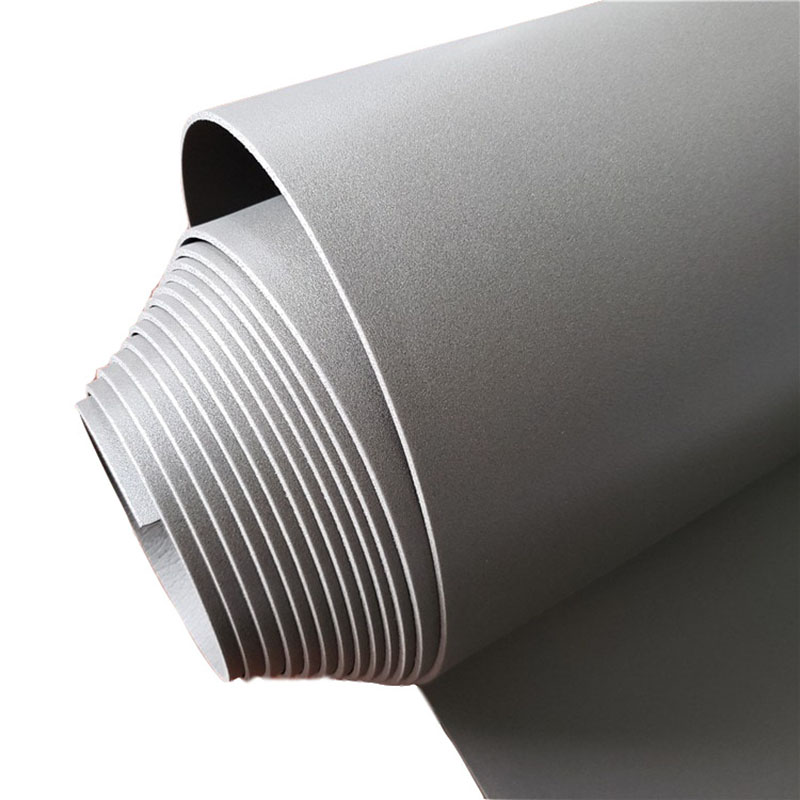
Achieving a condensation-free HVAC system requires strict adherence to standard operating procedures. Even commercial-grade materials will fail if installed haphazardly. Follow these practical field steps to ensure a flawless application.
Preparation and Cleaning
Before beginning any work, completely power off the AC unit. Attempting to insulate an active, freezing pipe will instantly trap existing moisture beneath the foam. Grab a clean, dry microfiber cloth and aggressively wipe down the copper pipes. Remove all dust, greasy residue, and chunks of old, degrading foam. The copper surface must be bone dry. Any residual moisture trapped under the new wrap will trigger localized corrosion.
Measuring and Cutting
Accurate measurement is critical to prevent thermal bridging. Use a flexible tailor tape to determine the exact circumference of the copper pipe. When cutting the polyethylene sheet, use a sharp, heavy-duty utility knife alongside a metal straightedge. The cuts must be perfectly straight and clean. Jagged edges prevent the seams from sitting flush, creating microscopic air gaps that invite humid air infiltration.
Wrapping the Lines
Carefully wrap the cut sheet around the suction line. The material should fit snugly against the copper without being stretched or pulled tight. Never wrap the liquid line and the suction line together within the same sleeve. Insulating them together allows heat to transfer from the hot liquid line directly to the cold suction line. This severely reduces the thermodynamic efficiency of the entire system and alters dew point dynamics. Always wrap them separately.
Sealing the Seams
This is the most critical phase. The seam where the two edges of the foam meet must be hermetically sealed. Apply a high-quality, manufacturer-approved contact adhesive to both edges, allow it to become tacky, and press them firmly together. For bulletproof security, wrap the sealed seam with specialized HVAC-grade PVC or aluminum foil tape. Smooth out any wrinkles to ensure ambient humidity cannot sneak in.
While polyethylene foam is exceptionally resilient against moisture, prolonged exposure to direct sunlight poses a significant threat. Ultraviolet radiation triggers photo-oxidation, a chemical process that slowly breaks down the molecular bonds of the plastic. Over several seasons, relentless UV rays will bake the outer layer of the insulation, causing it to shrink, turn brittle, and eventually compromise the closed-cell barrier.
To combat this solar degradation, industry best practices dictate wrapping the exterior of the insulation with UV-resistant aluminum foil tape, or enclosing the insulated pipes within rigid PVC line set covers. The aluminum foil acts as a brilliant radiant barrier, reflecting solar heat away from the refrigerant lines. Furthermore, it completely seals the foam from harsh environmental elements, provides a secondary vapor barrier, and physically protects the material from being pecked by birds or clawed by local rodents.
Even with premium materials, improper installation techniques render a thermal barrier useless. When technicians ignore strict protocols, the system remains highly vulnerable to moisture accumulation. Avoid these frequent errors to establish a permanent, condensation-free environment.
Leaving Gaps at the Joints
The most frequent error is underestimating the power of vapor drive. If there is even a one-millimeter gap of exposed copper between two sections of foam, humid air aggressively infiltrates that space. This leads to localized condensation, which then travels beneath the adjacent insulation via capillary action. Every joint must be perfectly flush and chemically bonded with specialized adhesive.
Compressing the Foam
Installers often use nylon zip ties to secure the insulation to wall brackets. Pulling a zip tie too tight physically crushes the closed-cell matrix. Squeezing the trapped air out of the material instantly destroys its insulation value at that specific pressure point. The compressed area transforms into a thermal bridge, allowing the freezing pipe temperature to reach the outer surface of the foam, which inevitably leads to sweating. Use wide, non-compressive fastening straps that hold the material gently but firmly.
Insulating Over Wet Pipes
Wrapping a pipe that is already sweating traps water directly against the metal. Because the closed-cell foam prevents moisture from escaping, this trapped water reacts with the copper, accelerating oxidation and pitting. Always ensure the lines are at ambient temperature and completely dry before applying new material.
Using the Wrong Thickness
Selecting an arbitrary thickness is a gamble. The required thickness of a protective barrier is dictated by the maximum expected ambient temperature and the relative humidity of the specific climate. If the insulation is too thin, the external surface of the foam drops below the ambient dew point, causing the jacket itself to sweat. For normal environments, a 3/8-inch to 1/2-inch thickness usually suffices. In tropical or extreme environments, upgrading to 3/4-inch or 1-inch thick sheets is strictly required to prevent surface condensation.
Stopping condensation on air conditioning lines ultimately comes down to creating an airtight, moisture-proof barrier. By understanding the thermodynamics of the dew point and respecting the power of vapor drive, property owners can protect facilities from severe water damage and toxic mold growth.
Upgrading from cheap, degrading rubber to a dedicated polyethylene foam sheet is a smart, long-term commercial investment. It preserves the system's thermodynamic efficiency, lowers monthly energy bills, and significantly extends the operational life of the compressor.
Do not let sweating pipes compromise a residential or commercial facility. Assess the condition of current air conditioning lines today. To source industry-leading thermal protection, explore the comprehensive range of premium insulation solutions at Lukwom. With custom PE, XPE, and IXPE materials engineered to meet exact climate specifications, you can guarantee a condensation-free system for decades to come.
When properly installed and protected from direct UV exposure, high-quality closed-cell polyethylene insulation can easily last 15 to 20 years. Unlike traditional rubber that dries out and cracks within a few seasons, PE foam maintains its structural integrity and moisture resistance over an extended lifecycle, making it highly cost-effective for long-term HVAC installations.
While spray foam offers excellent air sealing properties, it is generally not recommended for primary refrigerant line insulation. Spray foam adheres permanently to the copper pipes, making future maintenance, repairs, or leak detection incredibly difficult and messy. PE foam sheets provide superior, uniform thermal resistance while allowing for clean, manageable access to the piping if system servicing is required.
Yes, applying aluminum foil tape directly over the exterior is highly recommended, particularly for outdoor applications. While closed-cell polyethylene is exceptionally resistant to moisture, prolonged exposure to ultraviolet radiation from direct sunlight will eventually degrade the polymer chains. A continuous layer of aluminum foil tape acts as a reflective shield, deflecting UV rays and radiant heat away from the line set, while providing a robust mechanical defense against physical abrasion.
The fundamental difference lies in the manufacturing process used to cross-link the polymer molecules. Chemical cross-linked foam utilizes chemical foaming agents and heat, resulting in a slightly larger cell size and a highly durable, rugged finish that provides a cost-effective thermal barrier. Conversely, electronic cross-linked foam is subjected to high-energy electron beam irradiation without chemical additives. This generates a much finer, tighter cellular matrix, offering superior flexibility, a noticeably smoother surface finish, and enhanced waterproofing capabilities ideal for tight spaces and high-end installations.
The required thickness is entirely dependent on the ambient temperature and the relative humidity of the installation environment. The goal is to ensure the outer surface of the insulation remains warmer than the surrounding air's dew point. For standard, climate-controlled indoor environments with moderate humidity, a thickness of 3/8 inch to 1/2 inch is typically sufficient. However, in highly humid coastal regions, tropical climates, or unconditioned spaces like attics, a thickness of 3/4 inch or even 1 inch is necessary to successfully prevent the outer surface from sweating.
Yes, both pipes must be insulated, but it is absolutely critical that they are insulated separately. The large pipe carries cold, low-pressure refrigerant vapor back to the compressor, making it highly susceptible to condensation. The small pipe carries warm, high-pressure refrigerant liquid from the condenser. If you wrap both pipes together within the same insulation sleeve, thermodynamic heat transfer will occur between them. The hot liquid line will unnecessarily heat the cold suction line, forcing your compressor to work significantly harder and disrupting intended temperature differentials.


