Views: 0 Author: Site Editor Publish Time: 2026-03-03 Origin: Site
Why do some piping systems remain efficient and dry for years while others suffer from dripping water, energy waste, or unstable temperature delivery? The difference often comes down to one simple but essential component: the Insulation Tube. Although it may look like a basic outer layer around a pipe, this protective material plays a central role in managing heat transfer, preventing condensation, and supporting the long-term performance of HVAC and refrigeration systems. This article explains what an insulation tube is, what it does, and why it matters far more than many first-time buyers expect.
An insulation tube is designed to wrap around pipes and create a thermal barrier between the pipe surface and the surrounding air. Its purpose is not decorative. It is functional, practical, and performance-driven.
Whenever a pipe carries hot or cold fluid, there is a natural temperature difference between the inside of the pipe and the outside environment. Without insulation, heat will flow from warm to cool areas, or coolness will dissipate into warmer surroundings. This energy exchange forces HVAC systems to work harder to maintain the desired temperature.
An insulation tube reduces this heat transfer by introducing a layer of material with low thermal conductivity. In cooling systems, it helps preserve cold temperatures within refrigerant lines. In heating systems, it helps retain warmth along water supply or underfloor heating pipes. The result is more stable temperature delivery and improved energy efficiency.
One of the most visible problems in uninsulated piping is surface condensation. When a cold pipe is exposed to warm, humid air, moisture forms on the pipe surface. Over time, this leads to dripping water, ceiling damage, corrosion, or mold growth.
A properly installed insulation tube reduces the direct contact between cold surfaces and humid air. Closed-cell structures, especially in PE insulation pipe and rubber insulation tube products, help minimize moisture penetration and reduce the risk of water accumulation.
Temperature fluctuations inside piping can affect overall HVAC system balance. When energy is lost along the line, compressors, pumps, and heating units must compensate. This can increase operational strain.
Insulation tubes help maintain consistent fluid temperature between the source and the endpoint. That consistency contributes to smoother system operation, better energy control, and more predictable performance over time.
The application of insulation tube products extends across residential, commercial, and industrial environments.
In homes, split air-conditioning systems rely on insulated refrigerant lines that connect indoor and outdoor units. Without insulation, cooling efficiency drops and condensation becomes a visible problem. PE insulation pipe is commonly used in these settings due to its lightweight structure and practical thermal protection.
Office buildings, shopping centers, and industrial facilities use extensive HVAC piping networks. In these systems, consistent insulation coverage is essential for energy efficiency and moisture control. Rubber insulation tube products are often chosen where flexibility and reliable sealing around joints are important.
Cold storage, refrigeration equipment, and solar energy pipeline insulation systems also depend on insulation tubes. In these environments, maintaining temperature stability is critical to performance and safety. Proper insulation reduces external heat gain and helps maintain consistent internal conditions.
Many first-time buyers assume that pipe insulation is a minor accessory. In reality, its impact extends to operating cost, maintenance frequency, and long-term durability.
Uninsulated pipes can lose significant thermal energy along their length. Even short sections of exposed piping can reduce overall system efficiency. Over time, that energy loss translates into higher electricity consumption and increased operating costs.
Condensation does more than create surface moisture. It can weaken surrounding building materials, stain ceilings, damage insulation in walls, and accelerate pipe corrosion. Addressing condensation after installation is often more expensive than preventing it with proper insulation from the beginning.
By stabilizing temperature and reducing unnecessary thermal cycling, insulation tubes indirectly reduce strain on HVAC components. Compressors and pumps do not need to overcompensate for energy loss, and pipes are less exposed to environmental stress. This contributes to improved reliability over time.
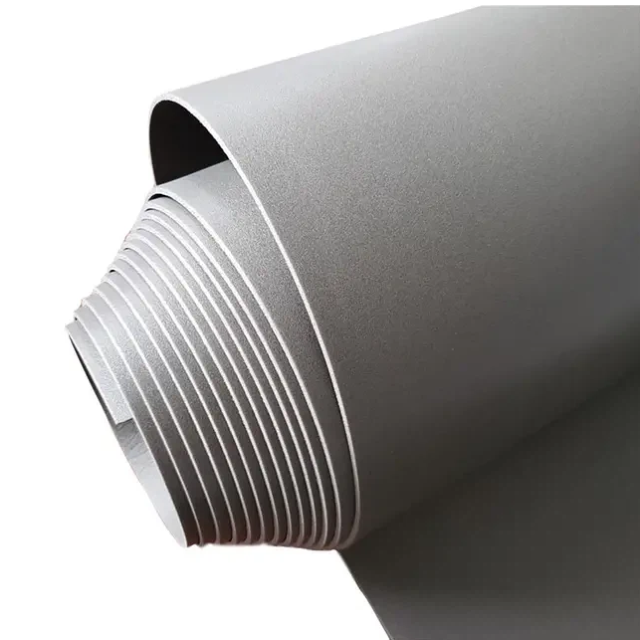
Different materials are used depending on application requirements. Understanding these options helps buyers align product choice with system needs.
Polyethylene foam insulation pipes are widely used in refrigeration equipment, water supply and drainage systems, underfloor heating, and solar pipeline insulation. Their closed-cell structure provides reliable thermal resistance while remaining lightweight and easy to install.
At LUKWOM, polyethylene LDPE foam insulation tubes are produced with inner diameters ranging from 6 mm to 50 mm and wall thicknesses from 5 mm to 25 mm. Multiple color options are available, and specialized versions can be manufactured for higher temperature resistance or flame-retardant performance.
PE insulation sheets offer broader surface coverage and are useful in applications where pipes or surfaces require customized wrapping. They provide flexibility in fabrication and can be adapted to irregular shapes or additional layering needs.
Rubber insulation tube products are valued for their flexibility and reliable sealing properties. They are especially suitable for chilled water lines or refrigeration systems where moisture resistance is a priority. Their elasticity makes installation around bends and joints easier.
Product Form | Typical Use | Main Advantage | Best Fit Scenario |
PE Insulation Pipe | Residential AC and general HVAC piping | Lightweight and easy installation | Standard cooling and heating lines |
PE Insulation Sheet | Surface wrapping and custom insulation | Flexible coverage and adaptability | Irregular shapes or extended surfaces |
Rubber Insulation Tube | Chilled water and refrigeration systems | Strong flexibility and moisture control | High-condensation or tight installation areas |
Not all insulation tubes deliver the same performance. Quality matters in material structure, consistency, and production control.
Closed-cell foam prevents air and moisture from traveling through the material. This structure is essential for controlling condensation and maintaining thermal stability. Products that pass safety and environmental testing standards offer additional assurance of reliability.
Ease of installation affects project efficiency. Insulation tubes should bend without cracking and fit securely around pipes of different diameters. LUKWOM manufactures products designed for practical handling in real-world installation conditions.
Uniform wall thickness ensures predictable thermal performance. Clean surface finish and dimensional consistency reduce installation gaps and improve overall system insulation quality.
Anhui Lukwom HVAC Equipment Co., Ltd., established in 2016, specializes in producing polyethylene LDPE foam insulation tubes for diverse applications. The company operates under ISO9001 Quality Management System and Five-star Product After-sales Service System certification, and its products comply with RoHS environmental standards.
LUKWOM’s PE insulation pipe solutions are suitable for refrigeration equipment, water supply systems, underfloor heating, and solar energy pipeline insulation. Their dimensional range supports various installation requirements.
Rubber insulation tube products provide flexibility and moisture resistance where condensation control is essential. These solutions are suitable for temperature-sensitive environments and complex pipe layouts.
From small residential air-conditioning connections to larger commercial HVAC networks, LUKWOM’s insulation tubes are developed to meet practical project demands with consistent quality and reliable performance.
An insulation tube is far more than a simple covering around a pipe. It plays a critical role in managing temperature stability, reducing condensation, and supporting energy efficiency across HVAC and refrigeration systems. By understanding how this pipe insulation solution works and selecting the right material form for each application, buyers can improve system reliability and long-term performance. For more information about LUKWOM’s insulation tubes products and technical specifications, contact us today to discuss your project needs.
An insulation tube reduces heat transfer and helps prevent condensation on cold pipes. It supports stable temperature delivery and improves system efficiency.
Yes, PE insulation pipe is widely used in residential AC systems due to its lightweight structure and practical thermal protection.
Rubber insulation tube is often chosen for chilled water or refrigeration systems where flexibility and stronger moisture resistance are important.
By limiting heat loss and gain along piping systems, insulation tubes contribute to improved efficiency, which can support lower operating costs over time.