You are here: Home » Blogs » Which Insulation Tube Type Should You Choose?

Which Insulation Tube Type Should You Choose?

Views: 0     Author: Site Editor     Publish Time: 2026-03-11      Origin: Site

Inquire

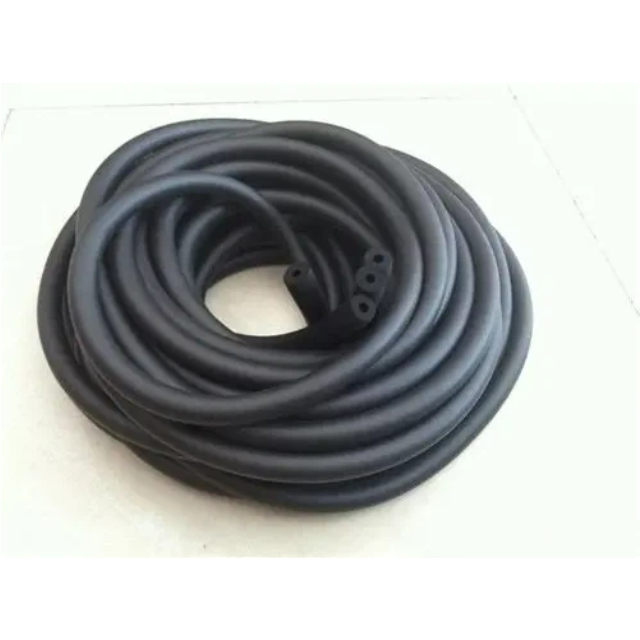
Selecting the right Insulation Tube is a decision that directly affects HVAC efficiency, condensation control, installation quality, and long-term operating stability. Many buyers initially compare only price, wall thickness, or outer diameter, but these basic specifications do not tell the full story. An insulation tube must match the real operating condition of the system it protects. Temperature range, humidity exposure, pipe layout, mechanical stress, and long-term durability all influence which type is appropriate. Understanding these factors allows you to choose between PE insulation pipe, PE insulation sheet, and rubber insulation tube solutions with confidence. This guide provides a clear, structured framework to help you move from general interest to practical product selection.


Start with the Application, Not the Product Name

The most reliable way to select insulation is to begin with the system environment rather than the material label.

Is the Line Mainly Hot, Cold, or Mixed?

Cooling lines such as refrigerant pipes and chilled water pipes operate below ambient temperature. Heating lines in underfloor heating or solar systems operate above ambient temperature. Some industrial systems experience alternating cycles.

Cold lines require stronger condensation resistance. Hot lines require stable heat retention and resistance to prolonged thermal exposure. Mixed systems demand flexibility and resilience against expansion and contraction. Determining the dominant temperature condition narrows down material compatibility.

Is Condensation a Major Concern?

In humid climates or chilled water systems, condensation can quickly become a structural problem. Surface moisture may drip onto ceilings, insulation panels, or electrical components. If condensation is not properly controlled, corrosion and mold growth may follow.

Closed-cell PE insulation pipe and rubber insulation tube products are specifically designed to reduce moisture penetration. When condensation risk is high, material density, surface smoothness, and seam closure quality become decisive factors.

Is the Installation Straight, Tight, or Irregular?

Residential air-conditioning installations often involve relatively straight pipe runs. In contrast, commercial mechanical rooms frequently contain tight corners, overhead routing, and limited access spaces.

Flexible insulation materials adapt more easily to irregular routing. Selecting a material that bends without cracking ensures continuous coverage and reduces installation time.


When PE Insulation Pipe Is the Better Choice

Polyethylene LDPE foam insulation tubes are among the most widely used insulation products in HVAC applications.

Lightweight and Practical for Standard HVAC Use

PE insulation pipe combines thermal resistance with ease of handling. Its lightweight composition allows installers to manage long runs efficiently without adding unnecessary weight to suspended pipe systems.

LUKWOM manufactures polyethylene insulation tubes with inner diameters from 6 mm to 50 mm and wall thicknesses from 5 mm to 25 mm. This range supports a broad variety of pipe dimensions used in refrigeration equipment, water supply systems, and underfloor heating networks.

Easy Handling for Common Residential and Light Commercial Runs

Residential HVAC projects require materials that are easy to cut, fit, and secure. PE insulation pipe provides a balance between flexibility and structural integrity, enabling smooth installation while maintaining consistent wall thickness.

This practicality reduces labor time and helps maintain uniform insulation coverage.

A Strong Fit Where Cost-Efficiency Matters

For projects operating within moderate temperature ranges and predictable humidity levels, PE insulation pipe delivers reliable performance without unnecessary complexity. It provides dependable thermal control at an economical cost level.

In addition, LUKWOM offers color options and customized high-temperature-resistant versions, providing flexibility for project-specific requirements.


When PE Insulation Sheet Makes More Sense

Certain installations cannot be effectively covered with tubular insulation alone.

Better for Wrapping Non-Standard Shapes

Mechanical equipment surfaces, irregular pipe clusters, and oversized components may require adaptable insulation forms. PE insulation sheet allows custom cutting and wrapping, ensuring complete coverage.

Useful When Broader Surface Coverage Is Needed

In energy transfer stations or solar pipeline systems, insulation sometimes extends beyond individual pipes to larger surfaces. Sheet material provides adaptable protection for such applications.

Helpful for Custom Fabrication or Added Layers

Projects that require enhanced thermal performance can benefit from layered sheet insulation. Additional layers increase overall thermal resistance and help manage more demanding conditions.


When Rubber Insulation Tube Is the Smarter Option

Rubber insulation tube products provide enhanced flexibility and are particularly suitable for complex installations.

Better Flexibility Around Bends and Tighter Spaces

Rubber insulation tube adapts easily to elbows and tight routing. Its elasticity reduces the likelihood of cracks forming during installation or thermal cycling.

Stronger Fit for Chilled Lines and Condensation Control

Chilled water systems and refrigeration lines frequently operate below ambient temperature. Rubber insulation tube products maintain stable surface integrity and help limit condensation risk in humid environments.

Better Choice for More Demanding Temperature-Sensitive Environments

Where systems operate continuously or experience frequent temperature cycling, rubber insulation tube maintains performance under repeated expansion and contraction.

 Insulation Tube

What Other Selection Factors Buyers Should Check

Beyond material type, several technical factors influence overall insulation effectiveness.

Thickness and Fit

Insulation thickness directly affects heat transfer resistance. Larger diameter pipes or greater temperature differences require thicker insulation layers.

LUKWOM provides multiple wall thickness options to support varied thermal requirements.

Moisture Resistance and Seam Sealing Needs

Even high-quality insulation materials may underperform if seams are poorly sealed. Closed-cell structure and precise manufacturing tolerances help reduce seam-related vulnerabilities.

Durability in Handling, Transport, and Installation

Insulation must withstand transport, storage, and on-site handling without tearing or compressing excessively. Durable foam composition reduces waste and ensures stable installation quality.

LUKWOM operates under ISO9001 Quality Management System certification and has obtained Five-star Product After-sales Service System certification. Products comply with RoHS environmental standards, ensuring consistent manufacturing quality.


A Simple Selection Logic for Real Buyers

To simplify the selection process, apply the following practical logic.

Choose Based on Use Condition First

Identify whether your system is primarily cooling, heating, or mixed. Determine humidity level and installation environment.

Compare Performance Value, Not Only First Cost

Long-term efficiency, moisture control, and durability often outweigh small price differences.

Plan for Long-Term Efficiency, Not Just Quick Installation

Proper insulation selection reduces maintenance, prevents condensation-related damage, and supports stable system operation.


How to Match Insulation Tube Type to Application

Buyer Need

PE Insulation Pipe

PE Insulation Sheet

Rubber Insulation Tube

Residential split AC systems

Lightweight and efficient

Rarely required

Optional for added flexibility

Commercial chilled water systems

Suitable in moderate humidity

Limited use

Strong moisture resistance and flexibility

Underfloor heating

Reliable heat retention

Can be layered

Less common

Irregular mechanical surfaces

Limited adaptability

Excellent custom wrapping

Not typical

Tight installation spaces

Moderate adaptability

Requires shaping

Highly flexible and easy fitting

Solar pipeline insulation

Stable under consistent heat exposure

Supplemental use possible

Depends on service temperature

Long repetitive HVAC pipe runs

Efficient for uniform installations

Rarely required

Selected when flexibility is critical


Practical Example: Matching Type to Real Projects

Consider three different scenarios:

A residential apartment building installing split air-conditioning systems benefits from PE insulation pipe due to ease of installation and sufficient thermal performance.

A commercial office tower with chilled water distribution may prefer rubber insulation tube for improved condensation resistance and flexibility around structural obstacles.

An industrial mechanical room requiring insulation for irregular equipment surfaces may rely on PE insulation sheet for adaptable coverage.

Each case illustrates that the best insulation tube type is determined by real operating conditions rather than product labels.


Conclusion

Choosing the correct insulation tube type requires evaluating temperature conditions, condensation risk, installation layout, thickness requirements, and long-term durability. The most suitable solution is the one that aligns precisely with system demands rather than generic assumptions. LUKWOM offers a comprehensive range of PE insulation pipe, PE insulation sheet, and rubber insulation tube products, allowing buyers to source different forms of pipe insulation from a single manufacturer with consistent quality standards. Contact us to discuss your HVAC project and identify the insulation solution that best matches your operating environment.


FAQ

1. What is the first factor to consider when selecting insulation tube?

The primary factor is whether the system operates under cooling, heating, or mixed temperature conditions.

2. Is PE insulation pipe sufficient for most residential HVAC projects?

Yes, PE insulation pipe is widely used for residential air-conditioning and water systems within appropriate temperature ranges.

3. Why choose rubber insulation tube over polyethylene?

Rubber insulation tube provides enhanced flexibility and condensation resistance in demanding chilled water or tight installation environments.

4. Can different insulation forms be combined in one system?

Yes, PE insulation sheet can complement insulation tube products when equipment surfaces or irregular shapes require additional coverage.

We welcome customers to visit our company for business cooperation anytime.

Product Category

Quick Links

Contact

  Tel: +86-551-6346-0808
             +86-551-8831-6180
             +86-551-8831-8180
  Phone: +86-139-5600-6799
  Mail: lukwom@lukwom.com
  Factory Add: Plant 5-6, Zhongnan High Tech Industrial Park, Zhegao, Chaohu City, Anhui.
Copyright © 2024 Anhui Lukwom HVAC Equipment Co., Ltd. All Rights Reserved.|SitemapPrivacy Policy