Views: 0 Author: Site Editor Publish Time: 2026-01-26 Origin: Site
Copper pipes play a crucial role in the overall efficiency and longevity of air conditioning systems. They have long been considered the industry standard for refrigerant transport in HVAC systems due to their excellent heat conductivity, durability, and resistance to corrosion. As the demand for high-performance, energy-efficient air conditioning systems increases, the role of copper pipes, particularly insulated copper pipes, becomes even more significant.
In air conditioning systems, maintaining the right temperature and airflow is essential for ensuring optimal cooling performance. Copper pipes, known for their durability and superior performance, are used to carry refrigerants through the system. Insulated copper pipes are even more advantageous because they help reduce energy loss, maintain system efficiency, and prevent condensation. Understanding the importance of copper pipes, especially in terms of insulation, can help you make the best choices for a long-lasting, high-performance air conditioning system.
In this guide, we will explore the essential benefits of using copper pipes, particularly insulated copper pipes, in air conditioning systems. We will also discuss why copper remains the preferred material for AC installations, focusing on its long-term advantages, and offer insights into the best practices for selecting, installing, and maintaining copper pipes for air conditioning systems.
Copper pipes have long been regarded as the material of choice for air conditioning systems, and for several good reasons. Whether used in residential, commercial, or industrial HVAC systems, copper pipes provide several advantages that ensure long-lasting, reliable, and efficient system performance. From exceptional heat conductivity to unparalleled durability, copper remains a trusted option for AC installations worldwide.
One of the most important qualities of copper pipes in air conditioning systems is their exceptional heat conductivity. Heat transfer is a key factor in the performance of AC units, and copper’s ability to efficiently transfer heat makes it a natural choice for HVAC systems. In an air conditioning system, refrigerants need to circulate through the pipes to absorb and release heat. Copper pipes, with their high thermal conductivity, allow for the rapid transfer of heat from the indoor air to the outdoor environment, enhancing the overall efficiency and cooling capacity of the system.
Another significant benefit of copper pipes in air conditioning systems is their durability. Copper is naturally resistant to physical stress, pressure, and extreme temperature fluctuations, all of which are common in HVAC systems. AC systems, especially those in commercial and industrial settings, operate in environments where high pressures and temperature variations are common. Copper’s ability to withstand these stresses without losing its structural integrity makes it a preferred choice for long-term use in air conditioning systems.
Corrosion is a major concern for many materials used in HVAC systems, especially in environments with high humidity or exposure to moisture. Copper pipes excel in this area, as they are highly resistant to corrosion. Unlike materials such as steel or iron, which can degrade over time when exposed to moisture, copper does not corrode easily. This corrosion resistance is particularly important in air conditioning systems where pipes are constantly exposed to humid environments, whether indoors or in cooling units located in areas with high moisture content.
As sustainability becomes increasingly important in the construction and manufacturing industries, copper pipes are a great choice for environmentally conscious air conditioning installations. Copper is 100% recyclable, meaning that copper pipes can be reused without any loss in quality or performance. This makes them an eco-friendly option compared to other materials that may not be as easily recyclable.
Using copper pipes in HVAC systems contributes to sustainability by reducing the need for frequent replacements and minimizing waste. The longevity and durability of copper pipes also ensure that fewer resources are used over time, as they are less likely to need replacement or repairs. Furthermore, the recyclable nature of copper means that even at the end of their life cycle, copper pipes can be repurposed and reused, further reducing the environmental footprint of air conditioning systems.
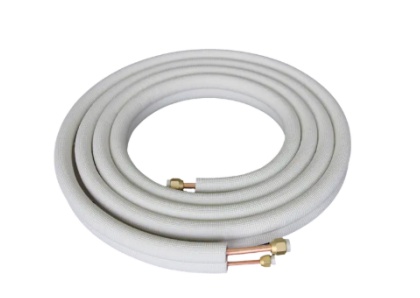
While regular copper pipes are already an excellent choice for HVAC systems, insulated copper pipes offer additional benefits that enhance their performance, particularly in terms of energy efficiency. Insulated copper pipes are designed to minimize energy loss by maintaining consistent refrigerant temperatures as it flows through the system.
Preventing Condensation and Moisture Buildup
Condensation can occur when refrigerant pipes are exposed to warmer, humid air. Insulated copper pipes help prevent condensation buildup on the exterior of the pipes, which could lead to water damage and mold growth in the surrounding areas. Insulation ensures that the pipes remain at a stable temperature, minimizing the potential for moisture accumulation.
Reducing Energy Consumption
Proper insulation helps maintain the temperature of the refrigerant, reducing the amount of energy required to cool or heat the air. By minimizing energy loss, insulated copper pipes enhance the overall efficiency of the air conditioning system, which in turn lowers energy costs and reduces the environmental impact of the system.
Maintaining Consistent System Performance
Insulated copper pipes help maintain consistent cooling performance by preventing fluctuations in refrigerant temperature. This ensures that the air conditioning system operates smoothly and efficiently, without the need for constant adjustments or repairs.

The longevity of an air conditioning system is directly linked to the materials used in its construction, and insulated copper pipes are an essential component for ensuring a long-lasting, high-performing system. By preventing energy loss and minimizing the risks of damage due to condensation or corrosion, insulated copper pipes help extend the lifespan of the entire AC system.
Enhanced Durability
The insulation around copper pipes adds an extra layer of protection, helping to shield the pipes from external damage caused by environmental factors such as heat, humidity, and physical impact. This added durability ensures that the AC system runs smoothly over time, with fewer repairs and replacements needed.
Improved System Reliability
With insulated copper pipes, the system's components are better protected against temperature fluctuations, moisture, and other external variables. This leads to fewer malfunctions and improves the reliability of the air conditioning system, reducing the risk of costly downtime or repairs.
Consistent Cooling Performance
Insulated copper pipes maintain the refrigerant at a steady temperature, which ensures that the AC system performs consistently and effectively. By maintaining consistent performance, insulated copper pipes help achieve optimal cooling in residential and commercial environments, providing a comfortable environment year-round.
Proper installation and regular maintenance are crucial for ensuring that copper pipes in air conditioning systems continue to perform at their best. Here are some best practices for installation and maintenance:
Installation Tips for Copper Pipes
Ensure that copper pipes are securely fitted and properly aligned to prevent leaks.
Use appropriate fittings and joinery techniques, such as brazing or compression fittings, to connect the pipes.
Insulate the pipes during installation to prevent energy loss and reduce condensation.
Maintenance Tips for Copper Pipes
Regularly inspect the pipes for signs of wear or corrosion.
Check for leaks and ensure that all joints are properly sealed.
Clean the exterior of the pipes to prevent dirt buildup, which could affect the system's performance.
Maintain the insulation around the pipes to ensure optimal energy efficiency.
Copper pipes, particularly insulated copper pipes, are an essential component for any air conditioning system. With their excellent conductivity, durability, corrosion resistance, and energy efficiency, copper pipes ensure that your AC system performs at its best for many years. Insulated copper pipes offer additional benefits, including energy savings, moisture protection, and improved overall system reliability.
At Anhui Lukwom HVAC Equipment Co., Ltd., we offer high-quality copper pipes designed to meet the needs of both residential and commercial air conditioning systems. Our insulated copper pipes are built to enhance your system's efficiency, reduce energy consumption, and ensure long-term reliability. If you're looking for the best copper pipes for your next AC installation or want expert advice on HVAC solutions, feel free to contact us today.
What makes copper pipes the best choice for air conditioning systems?
Copper pipes are ideal for AC systems due to their excellent heat conductivity, durability, corrosion resistance, and eco-friendly properties.
How do insulated copper pipes improve AC efficiency?
Insulated copper pipes prevent energy loss, reduce condensation, and maintain a stable refrigerant temperature, resulting in better energy efficiency and consistent cooling performance.
How long do copper pipes last in air conditioning systems?
Copper pipes can last for decades in AC systems, with proper installation and maintenance, providing a long-lasting solution for refrigerant transport.
Can I install copper pipes myself for my AC system?
While it's possible to install copper pipes yourself, it’s recommended to hire a professional HVAC technician for proper installation to ensure optimal performance and prevent leaks.