
Tel:
+86-551-6346-0808
Factory Add:
Plant 5-6, Zhongnan High Tech Industrial Park, Zhegao, Chaohu City, Anhui. 

Views: 0 Author: Site Editor Publish Time: 2026-08-12 Origin: Site
A sweating cooling line in an attic presents a silent liability. We cannot treat this issue as just a minor nuisance. Unconditioned spaces amplify these risks drastically. When frigid water travels through a hot, humid environment, basic physics takes over. Moisture from the thick ambient air rapidly collects on the cold exterior surface. You witness this daily on a glass of ice water. Inside your home, however, this natural process triggers expensive disasters. Installing an Insulated Drain Pipe serves as a critical structural requirement. It protects your property while ensuring strict mechanical code compliance. Proper installation delivers highly effective condensation control. In this guide, we will explore the exact mechanisms behind pipe sweating. You will learn how to evaluate material types and navigate compliance standards. Finally, we outline key installation practices. Proper preparation shields your structural envelope from catastrophic secondary moisture damage.
Risk Mitigation: Insulating condensate lines prevents secondary water damage and mold proliferation in unconditioned building envelopes.
Compliance: Home inspectors routinely flag uninsulated lines; proper insulation ensures alignment with International Mechanical Code (IMC) standards.
Material Selection: Closed-cell elastomeric foam outperforms porous materials for long-term moisture barrier integrity.
Implementation: Continuous application and properly sealed joints are mandatory—insulation fails where air gaps exist.
You must understand the exact mechanism of pipe sweating to prevent it. Your air conditioning system actively removes significant latent heat and moisture from indoor air. This phase change produces continuous streams of cold condensate water. The liquid typically hovers between 40 and 50 degrees Fahrenheit. It flows continuously through an AC drain pipe routed directly outside. Many residential homes feature routing pathways through attics, crawlspaces, or uninsulated exterior walls.
During peak summer months, attic temperatures easily exceed 100 degrees Fahrenheit. The humidity levels in these dark spaces often remain exceptionally high. When the cold PVC pipe meets this stifling ambient air, it immediately reaches the dew point. Water vapor condenses rapidly on the outer plastic surface. Tiny droplets form, merge together, and eventually drip downward uncontrollably. People often call this "sweating," but the pipe itself does not leak. It simply acts as a magnet for airborne moisture.
The cascading effects of continuous dripping are severe. A single uninsulated line can produce gallons of external condensation every single week. This heavy water accumulation inevitably falls onto vulnerable building materials below. Drywall ceilings absorb the moisture quickly and quietly. Ugly brown water stains appear first. Eventually, the saturated drywall softens entirely and collapses under its own weight. Ceiling joists face constant moisture exposure, leading to aggressive structural wood rot over time.
Furthermore, fiberglass batt insulation loses its thermal resistance immediately when wet. Ruined insulation dramatically reduces your home's energy efficiency. We see these compounding damages frequently in residential properties. Ignoring this moisture transfer guarantees expensive structural repairs.
A successful insulation strategy requires clear benchmarks. First, it must yield absolutely zero external moisture accumulation. The pipe exterior should remain completely dry during peak cooling loads. Second, the installation must pass rigorous home inspections effortlessly. Third, it should require zero mid-season interventions. You should never have to re-tape seams or wipe down lines in July. Achieving these metrics demands high-quality materials and meticulous application. We always aim for a permanent, hands-off solution.
Unconditioned spaces are typically dark and poorly ventilated. These specific conditions create an ideal environment for harmful microbial growth. Exterior condensation feeds mold and mildew proliferation directly. By applying proper insulation, we halt this moisture accumulation entirely. The protective foam barrier stops warm air from reaching the cold PVC surface. Without that thermal collision, condensation cannot form at all. Eliminating the external water source starves mold colonies before they start. You protect both your home's structural framing and your family's indoor air quality.
Extreme temperature fluctuations also threaten overall system efficiency. Insulation prevents the cold condensate from warming up rapidly as it travels. More importantly, it prevents freezing in specific climate applications. Some regions experience unexpected cold snaps during transitional seasons. Freezing water expands violently and cracks rigid PVC lines. Consistent thermal protection maintains a steady, unobstructed flow for reliable air conditioner drainage. Smooth drainage prevents water from backing up into the primary drip pan. You keep your equipment operating safely within its designed parameters.
Environmental degradation destroys unprotected plumbing materials slowly. Prolonged exposure to extreme attic heat makes PVC brittle over time. Uninsulated copper lines face oxidation and external corrosion from constant moisture. A robust protective jacket heavily shields these pipes from ambient harshness. It drastically reduces the overall load on secondary drain pans beneath the unit. Secondary pans should act strictly as emergency backups for primary clogs. They are not meant to catch daily condensation drips from bare lines. Extending the lifespan of your drainage network saves considerable money and frustration.
We must clarify a common industry misconception here. Adding an insulated condensate pipe does not prevent internal clogs. Dust, algae, and biological slime will still accumulate inside the plastic tube. You still need routine flush treatments and regular air filter changes. Insulation strictly solves external ambient moisture transfer. It forms an impenetrable vapor barrier on the outside only. Understanding this distinction helps you maintain realistic expectations. You isolate the exterior moisture problem without neglecting vital internal system maintenance.
Real estate transactions often stall suddenly due to HVAC discrepancies. Professional home inspectors examine unconditioned spaces with intense scrutiny. They actively look for bare drainage lines hovering over drywall ceilings. Organizations like InterNACHI provide strict inspection guidelines regarding home moisture management. A sweating pipe signals a high risk for hidden mold growth. Inspectors frequently flag these uninsulated lines as major property defects. Buyers often demand immediate repairs before signing closing documents. Fixing this issue proactively preserves your property's overall marketability. It shows prospective buyers you maintain the home properly.
Building codes exist primarily to prevent structural damage and ensure safety. The International Mechanical Code (IMC) establishes clear rules for condensate disposal. The IMC mandates systems must safely route water away from the equipment entirely. The drainage process must not cause damage to the surrounding building components. Allowing a pipe to sweat heavily onto ceiling joists violates this core safety principle. Ensuring proper insulation aligns your system with these fundamental standards. You easily avoid code violations and potential insurance claim denials.
Geographic location often dictates the absolute necessity of thermal protection. Insulation is universally required in fully unconditioned spaces. These hazard areas include blazing hot attics, damp crawlspaces, and unheated garages. The temperature delta in these areas practically guarantees severe condensation. However, regulatory rules may vary for pipes routed through conditioned interior walls. Some local Authorities Having Jurisdiction (AHJs) view interior wall cavities differently. If the wall cavity shares the conditioned indoor temperature, sweating risks drop significantly. Still, many seasoned professionals insulate interior lines as a standard best practice. We always recommend checking with your local AHJ for specific regional interpretations.
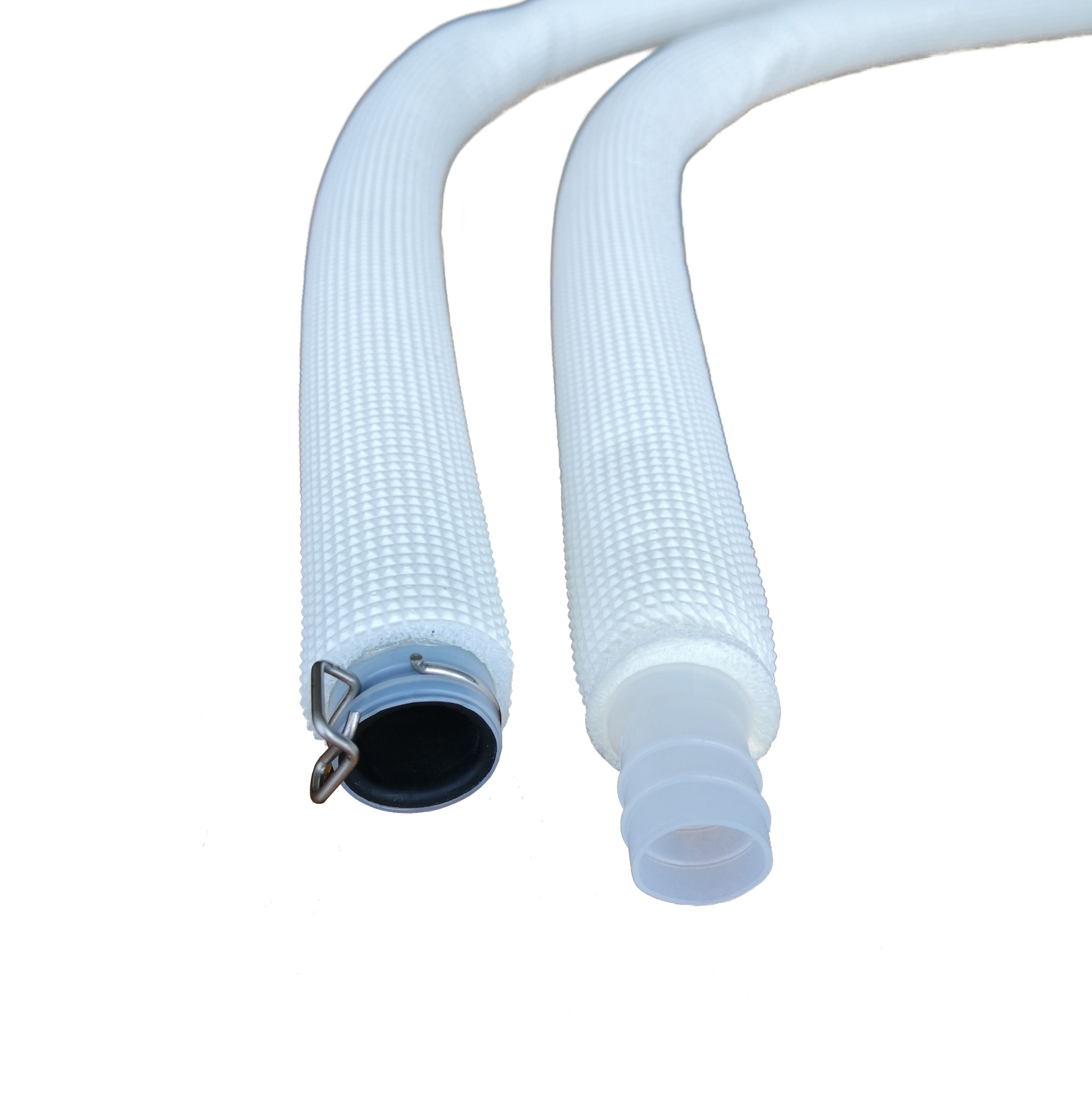
Selecting the right protective material determines the lifespan of your installation. Closed-cell elastomeric foam stands as the undisputed industry standard. It offers exceptionally high resistance to water vapor transmission. The dense, microscopic closed-cell structure prevents moisture from penetrating the surface. You do not need an additional vapor retarder jacket. It remains highly flexible and relatively easy to cut around fittings. Elastomeric rubber performs brilliantly in extreme high-heat attic temperatures. It represents the most reliable choice for long-term moisture defense.
Polyethylene (PE) foam serves as a popular, cost-effective alternative for budget projects. It feels lighter and somewhat stiffer than synthetic rubber. Many local big-box hardware stores sell PE foam tubes. While it works adequately initially, it carries notable long-term drawbacks. It is highly susceptible to UV degradation if exposed outdoors. The cheap material tends to turn brittle and flake apart under direct sunlight. Furthermore, PE foam is highly prone to shrinking over time. Shrinkage heavily exposes previously sealed butt joints, creating brand new condensation risks.
We strongly advise against using fiberglass for cold-water HVAC applications. Fiberglass relies entirely on trapped air pockets to provide an R-value. It requires an absolutely perfect, secondary vapor barrier jacket to function. If humid air penetrates the outer jacket, condensation forms inside the fiberglass itself. The fluffy material absorbs water rapidly like a sponge. Wet fiberglass loses its insulating properties entirely within hours. It quickly becomes a heavy, mold-infested mess pulling down your pipes. Reserve fiberglass exclusively for heating applications, not cold condensation lines.
When shopping for materials, you must evaluate several specific functional metrics. First, check for built-in antimicrobial additives. These chemical treatments prevent mold from growing directly on the foam surface. Second, verify the UV-resistance ratings if any portion runs outside the house. Third, select the appropriate wall thickness for your specific climate zone. A 3/8-inch wall thickness works perfectly for most standard residential setups. However, extreme humidity zones require much thicker barriers. Gulf Coast states typically demand 1/2-inch or even 3/4-inch walls. Always match the internal diameter of the foam to the exact outer diameter of your PVC pipe.
Here is a clear reference chart to guide your material selection process:
Material Type | Vapor Resistance | Durability Profile | Best Application Scenario |
|---|---|---|---|
Closed-Cell Elastomeric (Rubber) | Excellent | High (Resists shrinking and tearing) | Attics, crawlspaces, extreme high-humidity zones |
Polyethylene (PE) Foam | Good | Moderate (Prone to shrinkage and UV damage) | Conditioned interior spaces, budget installations |
Fiberglass | Poor (Requires perfect external jacket) | Low (Fails completely when wet) | Not recommended for cold condensate lines |
High-quality material alone does not guarantee long-term success. An insulated system is only as effective as its weakest seams. The "weak link" principle applies heavily to condensation management. If humid air finds a tiny microscopic gap, localized condensation will occur immediately. Unsealed butt joints represent the absolute highest failure rate in residential setups. When two pieces of foam meet, they must fuse together completely. Leaving a small crack allows moisture to bypass the barrier entirely. Water will form beneath the foam and drip out unexpectedly, ruining ceilings below.
Securing the seams requires the correct chemical bonding approach. Many homeowners simply use standard duct tape or electrical tape. We strongly advise against taking this risky shortcut. Traditional tape adhesives degrade rapidly in high-heat attics. The tape loses its grip, peels back, and exposes the seam to ambient air. Instead, we recommend using a specialized contact adhesive formulated specifically for elastomeric foam. This liquid adhesive physically welds the rubber edges together securely. It creates a continuous, unbreakable vapor barrier.
Straight runs are easy to insulate, but fittings present a serious challenge. You must carefully insulate P-traps, 90-degree elbows, and vertical cleanout tees. Wrapping complex plastic shapes requires precise custom cutting and generous adhesive use. However, you must intelligently balance protection with future maintenance access. HVAC technicians need access to the cleanout port to flush internal clogs safely. We highly recommend fabricating removable insulation caps for these cleanouts. This strategy ensures the line remains sealed tightly but accessible during routine servicing.
Proper installation ultimately demands a flawless, unbroken continuous run. Gaps negate the entire purpose of the thermal barrier. Here are the most critical steps to ensure a fully continuous application:
Start at the Source: Begin insulating immediately at the air handler unit (AHU) connection point. Temperature differentials are highest here.
Eliminate All Gaps: Never leave bare gaps between individual sections or near wall penetrations.
Seal the Seams: Apply professional contact adhesive to the entire length of pre-slit tubing, waiting until tacky before pressing.
Insulate the Supports: Ensure pipe hangers do not crush the soft foam, which lowers its R-value. Use rigid foam saddle supports if necessary.
Terminate Outside: Carry the continuous insulation completely through the building envelope to the final exterior drip point.
Investing in professional-grade thermal protection prevents catastrophic structural water damage. It stands as a remarkably low-cost, high-ROI preventative measure. Unconditioned spaces punish bare cold-water lines severely during summer months. We clearly see the compounding financial costs of ruined drywall and rotten wood framing. Taking proactive steps eliminates these expensive risks entirely from your home. When specifying materials, always prioritize closed-cell elastomeric rubber for maximum vapor resistance. Match the foam's internal diameter precisely to your pipe's outer diameter. Avoid cheap tape entirely and rely on liquid contact adhesives for permanent seam sealing. As a practical next step, safely audit your current attic or crawlspace setup today. Grab a flashlight and thoroughly trace the drainage path while the cooling system runs. If you hire professionals, explicitly specify fully sealed, elastomeric lines in your next contractor bid. Protect your property by controlling ambient moisture transfer directly at the source.
A: Only portions running directly through unconditioned spaces require strict insulation. This includes hot attics, damp crawlspaces, and outdoor areas in specific climates. In these environments, ambient air temperature routinely exceeds the dew point of the cold pipe. Lines hidden securely inside interior conditioned walls rarely face the same extreme temperature differentials, though local building codes may still mandate it.
A: We strongly advise against this dangerous practice. Pool noodles utilize open-cell foam and completely lack necessary vapor barriers. They degrade rapidly and crumble under high attic heat. More importantly, they do not meet strict HVAC fire and smoke safety ratings (ASTM E84). Using pool noodles violates modern building codes and poses a severe fire hazard.
A: A 3/8-inch wall thickness serves as the dependable industry standard for most residential applications. However, a 1/2-inch or 3/4-inch thickness is strictly required in extreme high-humidity environments. Gulf Coast states and muggy coastal regions demand thicker barriers to prevent heavy condensation under peak summer cooling loads.
A: First, turn off the entire system and dry the PVC pipe completely. Inspect the line thoroughly for internal clogs, as slow-moving water lowers the pipe temperature further. Once clear, retrofit the bare pipe using pre-slit, self-sealing closed-cell foam tubing. Apply appropriate contact adhesive to all butt joints to ensure a permanent, airtight moisture barrier.


