
Tel:
+86-551-6346-0808
Factory Add:
Plant 5-6, Zhongnan High Tech Industrial Park, Zhegao, Chaohu City, Anhui. 

Views: 0 Author: Site Editor Publish Time: 2026-07-27 Origin: Site
HVAC environments push electrical splices to their absolute limits every single day. Aggressive thermal cycling, sudden condensation drops, and relentless mechanical vibration constantly assault every bare connection. General-purpose tapes simply fail under these extreme operational parameters. Their adhesives degrade rapidly. They leave live high-voltage wires dangerously exposed. You risk catastrophic system shorts, severe safety hazards, and immediate equipment shutdown. We designed this guide to solve this exact vulnerability. We provide a rigorous technical evaluation framework. It helps you select professional-grade PVC Electrical Insulation Tape engineered specifically for AC and heating installations. You will learn how to accurately assess dielectric strength. You will understand critical adhesive properties. Finally, you will master the correct application techniques needed to ensure long-lasting, code-compliant protection for every single splice.
Air conditioning units and industrial furnaces endure wild temperature swings constantly. Such daily fluctuation forces materials to expand and contract endlessly. Standard rubber-based adhesives melt during intense summer heat peaks. They turn into a sticky, useless liquid. Conversely, freezing winter temperatures destroy cheap plastics. The backing material becomes incredibly brittle. It eventually cracks, splits, and peels away from the copper. You must account for these harsh extremes when evaluating any splicing material.
Condensation forms inevitably on chilled refrigerant lines. Ambient humidity in mechanical rooms compounds this moisture problem daily. A dedicated HVAC wiring tape must act as an impenetrable moisture barrier. If water droplets seep into a live electrical splice, aggressive arcing occurs immediately. This unwanted moisture ingress destroys expensive internal components quickly. Galvanic corrosion accelerates rapidly in damp conditions. You need a completely waterproof seal around every connection point.
High-torque compressors generate constant mechanical stress during operation. This continuous vibration shakes structural connections relentlessly. Wires rub constantly against metal housings and rough conduit walls. You need high tensile strength and superior elasticity to survive this. The right polymeric backing absorbs these harsh micro-movements securely. Without superior abrasion resistance, friction simply tears through the protective layer over time. Exposed copper touching grounded metal creates instant catastrophic shorts.
Many inexperienced installers grab cloth-backed or duct tapes for rapid low-voltage repairs. We strongly advise against this incredibly dangerous habit. Cloth backings absorb ambient moisture readily. Their aggressive adhesives lack any dielectric strength formulation. They trap heat around wire bundles and pose serious fire hazards. Duct tape offers zero electrical insulation value. It merely creates a messy, hazardous failure point.
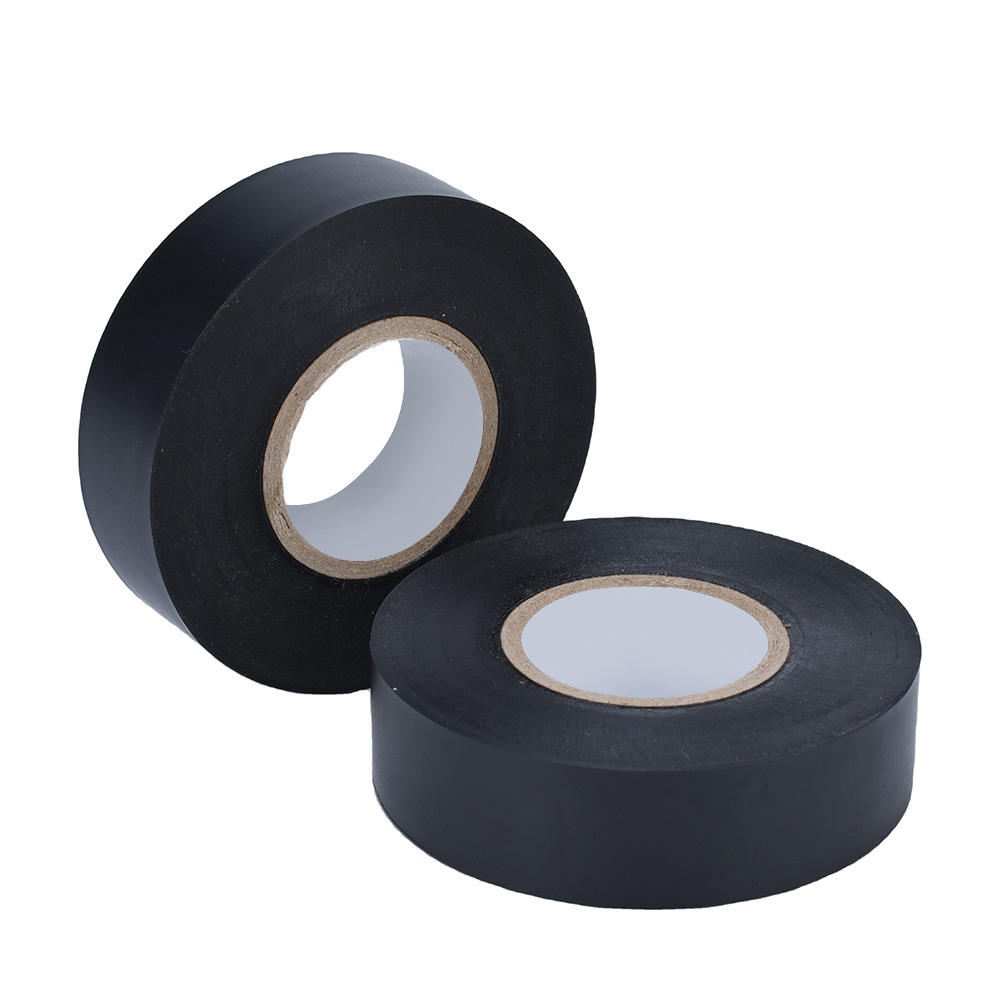
You must understand the structural chemistry here. Cheap vinyl lacks essential long-term elasticity. High-quality PVC insulation tape uses highly engineered polymeric plasticizers. These specific chemical additives grant necessary stretch and critical memory retention. The material actively hugs the wire splice continuously over time. Cheap alternatives stretch once and remain permanently deformed. They hang loosely around the splice, inviting moisture and dirt inside.
Evaluating a single roll based purely on its upfront purchase price ignores reality. Poor material choices directly cause massive system callbacks. Callbacks consume your profit margins instantly. You face severe maintenance penalties later. A single failed splice shuts down an entire commercial chiller. You lose client trust forever. Choose reliable quality over a cheap temporary substitute. Do not compromise baseline safety for minimal immediate savings.
Always verify the minimum acceptable voltage resistance first. Safe commercial applications require a strict 600V minimum rating. This metric guarantees the barrier absolutely stops stray electrical currents. Every reliable AC installation accessory demands this baseline protection. Manufacturers test this by applying increasing voltage until the plastic finally ruptures. A higher dielectric breakdown voltage means a thicker, safer protective envelope.
Read the Technical Data Sheets (TDS) carefully before purchasing. High adhesion metrics matter immensely in the field. Strong adhesion to steel prevents moisture ingress along the bare wire perfectly. High adhesion to backing ensures the tape sticks powerfully to itself. When you wrap multiple layers, they must fuse into a solid, singular jacket. Weak adhesives let layers slide apart under physical stress.
Evaluate the stated operating temperature parameters closely. Standard mechanical applications require at least 80°C continuous limits. Exterior condenser units demand exceptionally strict UV resistance. Harsh sunlight breaks down unprotected plastics incredibly fast. UV-resistant varieties contain carbon black additives. These additives absorb radiation and protect the underlying chemical bonds from sudden degradation.
Match the physical thickness to your precise mechanical protection needs. Everyday standard options run around 7-mil thick. Heavy-duty variants offer rugged 8.5-mil or 10-mil thicknesses. Thicker variants survive direct abrasion much better in tight conduit spaces. They offer superior puncture resistance against sharp copper strands.
| Tape Grade | Thickness (Mil) | Best HVAC Application | Dielectric Strength |
|---|---|---|---|
| Standard | 7-mil | Indoor low-voltage splicing | Good |
| Heavy-Duty | 8.5-mil | High-vibration compressor wiring | Excellent |
| Extra-Heavy | 10-mil | Outdoor underground or rough-service | Superior |
| Evaluation Metric | General Purpose Vinyl | Professional HVAC PVC |
|---|---|---|
| Steel Adhesion | Low (Peels off easily) | High (Forms a tight seal) |
| Memory / Elastomeric Stretch | Poor (Permanently deforms) | Excellent (Retains shape) |
| Weathering & UV Resistance | Indoor Use Only | Fully Weather Resistant |
Wrap every connection using the strict industry-standard half-lap method. Overlap each consecutive turn by exactly 50%. This creates a uniform double-layer dielectric coverage everywhere. It guarantees no thin spots exist across the entire splice.
Elongate the material correctly during application. You should stretch it to approximately 75% of its maximum breaking capacity. You will notice the tape visibly narrow. This physical tension activates the pressure-sensitive adhesive fully. It ensures a remarkably tight, conforming seal around awkward shapes.
Apply the final wrap layer entirely differently. Use absolute zero tension for the last trailing inch. This simple trick completely stops "flagging." Flagging happens when heavily stretched tape unspools from its own backing over time. The material's memory forces it to shrink back. Applying the end loosely neutralizes this pulling force.
Standard formulations fail miserably in freezing conditions. The adhesive hardens rapidly and loses its vital tack. Keep your rolls warm inside a jacket pocket before application. Warm adhesive remains highly flexible and adheres beautifully to freezing copper. You avoid brittle snapping during the initial wrap.
Follow these exact procedural steps for superior splices:
Never compromise on established global safety standards. Validate all manufacturer technical claims rigorously. Look for non-negotiable compliance marks like UL 510, CSA C22.2, or BS EN 60454. These marks prove the product underwent severe third-party testing. A high-quality electrical insulation tape always proudly displays these critical certifications. They confirm flame retardancy and thermal stability definitively.
Understand phase, neutral, and earth requirements clearly. Local electrical codes mandate specific colors for distinct circuits. Phasing tapes guarantee everyone identifies complex wires correctly. Strict compliance prevents fatal maintenance errors decades later.
Never buy massive bulk quantities blindly. Request physical samples first. Run pilot tests examining stretch recovery limits. Check for messy, gummy adhesive residue after removal. Verify field quality firsthand before you commit to rigid vendor contracts.
A: You should avoid standard tapes outdoors entirely. UV radiation degrades unprotected vinyl rapidly, making it brittle and weak. Always specify an all-weather rated PVC tape designed explicitly for high UV resistance and extreme outdoor temperature fluctuations.
A: This unspooling is called "flagging." It happens when you stretch the final wrap layer too tightly. The tape's physical memory pulls it backward constantly. Always apply the last inch of tape with zero tension. Poor baseline adhesive quality also directly causes flagging.
A: Phase tape is structurally identical to standard insulation tape. Manufacturers simply color-code it specifically for visual wire identification. It marks phase, neutral, or earth lines according to local safety codes, rather than serving purely as primary electrical insulation.
A: Yes, it absolutely does. Adhesive chemistry degrades slowly over time. Expect realistic adhesive longevity of 12 to 24 months. You must store your rolls in climate-controlled environments away from direct heat to maximize their usable lifespan.


