
Tel:
+86-551-6346-0808
Factory Add:
Plant 5-6, Zhongnan High Tech Industrial Park, Zhegao, Chaohu City, Anhui. 

Views: 0 Author: Site Editor Publish Time: 2026-11-06 Origin: Site
Installing a ductless air conditioning system is an excellent strategy to achieve efficient, zoned cooling and heating in your residential or commercial space. However, the overall efficiency and mechanical lifespan of your equipment heavily depend on a frequently overlooked component: the insulation tube. Proper thermal protection shields the refrigerant lines, prevents costly energy loss, and stops messy condensation from ruining your interior drywall.
Recent industry trends reveal a massive global shift toward high-efficiency heat pumps and ductless systems designed for year-round operation. As decarbonization pushes more homes to rely on electricity for both heating and cooling, these systems are working harder and running longer in extreme weather conditions. Consequently, HVAC engineers are moving away from basic, unprotected foams. The current standard demands weather-resistant, multi-layered thermal barriers to ensure fail-safe performance over a 15-year lifecycle. With various materials, thicknesses, and grades available on the market today, selecting the right one can feel overwhelming. In this comprehensive guide, we will walk you through exactly how to choose the perfect thermal barrier for your line sets, comparing top materials to help you make an informed purchasing decision.
Material Matters: Choosing between elastomeric rubber, EPE foam, or multi-layered composites dictates the overall durability, UV resistance, and thermal efficiency of your HVAC system.
Sizing is Critical: The protective sleeve must perfectly match the outer diameter of your copper pipes. A fit that is too loose causes internal condensation, while one that is too tight tears the cellular structure.
UV and Weather Protection: For outdoor line sets, UV-resistant and weatherproof shielding is non-negotiable to prevent rapid material degradation from harsh sun exposure.
Energy Efficiency: The correct wall thickness and a closed-cell structure prevent thermal loss. This ensures your compressor operates at peak efficiency while lowering electricity bills.
Proper Installation: Even the most expensive thermal barrier will fail if joints are not meticulously sealed and protected with line set covers or specialized HVAC tape.
During the cooling cycle, the refrigerant flowing through the suction line of a ductless system is significantly colder than the ambient air. Imagine a sweltering, humid July afternoon. When that warm ambient air hits the freezing copper, it sweats exactly like a glass of iced water. A high-quality, closed-cell foam acts as an impermeable vapor barrier. By keeping the moisture in the air away from the cold pipe surface, it stops water droplets from forming entirely. Without this vital protection, continuous dripping will inevitably lead to severe water damage. Over time, this ruins drywall, promotes toxic mold growth inside wall cavities, and warps expensive flooring.
The efficiency of a ductless system relies heavily on maintaining the exact temperature of the refrigerant as it travels between the outdoor condenser and the indoor air handler. Thermal resistance measures how well a material prevents heat transfer. If the protective layer is thin or degraded, the cold refrigerant absorbs heat from the baking hot outdoor air before it even reaches the indoor unit. This unwanted thermal gain forces the compressor to work much harder and run longer to achieve your desired indoor temperature. Ultimately, this directly increases your monthly energy consumption and shortens the mechanical lifespan of the compressor.
Beyond thermal management, this foam layer serves as a crucial physical buffer. Copper lines are relatively soft and highly susceptible to physical impacts, vibrations, and environmental stress. A robust outer layer shields the pipes from accidental dents during routine lawn maintenance and deters rodents that might otherwise chew on the lines. Furthermore, it provides a necessary barrier against harsh weather conditions. Continuous exposure to freezing temperatures, heavy acidic rain, and corrosive salt air in coastal regions can rapidly accelerate the oxidation and degradation of bare copper.
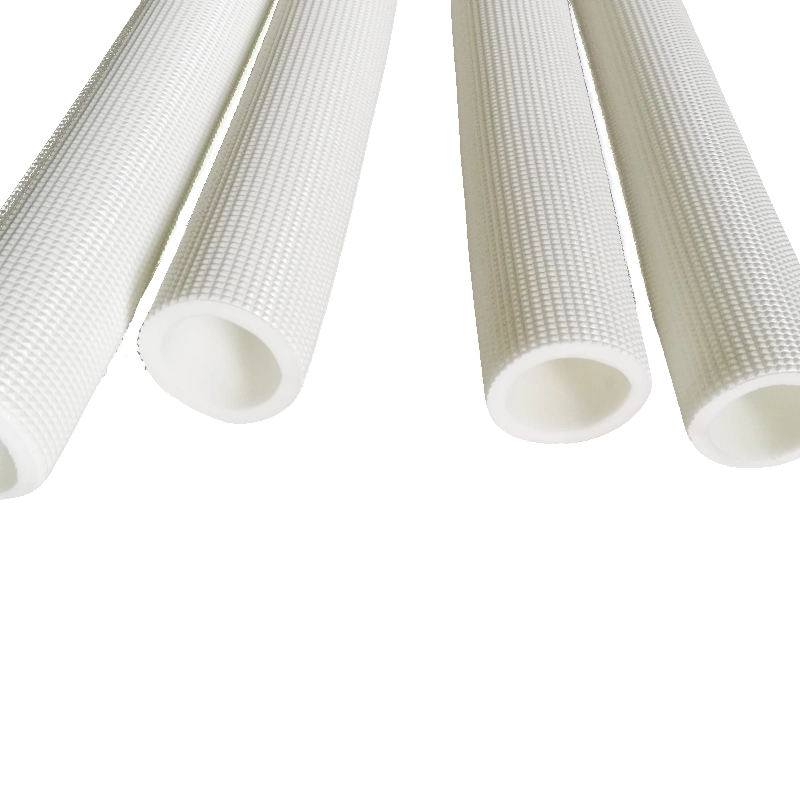
When evaluating HVAC thermal barriers, thermal conductivity is a critical metric. It measures the exact rate at which heat passes through a specific material. Specifically, a lower conductivity value indicates superior insulating capabilities. For modern high-efficiency systems, industry standards strictly recommend a material that provides sufficient thermal resistance to prevent heat gain in summer and heat loss in winter. This is particularly vital for heat pump systems that operate in reverse cycles during freezing months, where heat loss along the line set can drastically reduce indoor heating capacity.
Selecting the correct wall thickness is just as important as choosing the right base material. The standard thicknesses available in the market are typically 3/8 inch, 1/2 inch, and 3/4 inch. The appropriate choice depends entirely on your local climate zone and average humidity levels. Field experience shows that undersizing the wall thickness is the number one cause of sweating pipes in coastal regions.
Climate Condition | Recommended Wall Thickness | Engineering Rationale |
|---|---|---|
Mild / Low Humidity | 3/8 inch | Sufficient for standard indoor routing and mild outdoor temperatures where the dew point remains low. |
Moderate / Average Humidity | 1/2 inch | Provides a robust thermal barrier for areas with seasonal humidity spikes and hotter summers. |
Tropical / High Humidity / Extreme Cold | 3/4 inch | Essential for preventing condensation in highly humid environments and minimizing heat loss during harsh winters. |
A frequent and costly oversight in field installations is using standard indoor-rated foam for outdoor line sets. Standard elastomeric or polyethylene foam is highly vulnerable to ultraviolet radiation. When exposed to direct sunlight, untreated foam will dry out, crack, and crumble into dust within a matter of months. Therefore, for any outdoor routing, UV-treated coatings or multi-layered protective shells are mandatory to ensure long-term durability and consistent system performance.
Safety should never be compromised for cost savings. Materials used in residential and commercial buildings must comply with strict fire and smoke safety standards, such as the ASTM E84 test in the United States. You should actively look for products that have a flame spread index of 25 or less and a smoke-developed index of 50 or less. This critical certification ensures that in the event of a house fire, the foam will not act as an accelerant or release excessive toxic smoke into the living space.
The Flexible Closed Cell Rubber Insulation Tube is one of the most widely utilized materials in the HVAC industry today. Manufactured from an advanced NBR and PVC elastomeric blend, it features millions of microscopic, sealed air pockets that trap thermal energy. It typically supports a wide operating temperature range from negative 40 degrees to 105 degrees Celsius.
Pros: It offers exceptional elasticity. This makes it incredibly easy to slide over long runs of copper piping and navigate complex bends without tearing. Its closed-cell structure provides superior condensation control and a remarkably high water vapor diffusion resistance factor.
Cons: While highly effective for temperature control, standard rubber is susceptible to UV degradation. If routed outdoors, it requires an additional protective PVC wrap or a rigid line set cover to survive long-term sunlight exposure.
Best For: Indoor sections, complex pipe routing with multiple sharp bends, and environments with high humidity where vapor barriers are absolutely critical.
Another popular option is the Thermal Insulation Tube Single-Layer EPE. This specific material is created by expanding polyethylene resin into a lightweight, airy foam with a density typically around 25 to 30 kilograms per cubic meter.
Pros: EPE is highly cost-effective, incredibly lightweight, and offers a solid baseline of moisture resistance. It is also very easy to cut and handle during installation, making it a favorite for budget-conscious residential projects.
Cons: In contrast to elastomeric rubber, EPE is notably less flexible. This rigidity can make routing around sharp corners challenging. Furthermore, single-layer EPE has virtually no resistance to UV rays and will degrade rapidly if left exposed to the elements without a shield.
Best For: Budget-friendly installations, indoor routing hidden within wall cavities, or outdoor setups that are heavily protected by thick, opaque PVC line set covers.
For the absolute highest level of environmental protection, the Three-Layer Thermal Insulation Tube represents the premium standard. This advanced composite material typically features an inner cross-linked foam layer, a middle reinforcing mesh, and a tough, UV-resistant embossed polyethylene outer shell.
Pros: It provides ultimate, all-weather defense. The outer shell is highly resistant to tearing, physical abrasion, bird pecking, and sun rot. It essentially eliminates the need for secondary UV wrapping, saving valuable labor time on the job site.
Cons: Due to its robust and reinforced construction, it is slightly more rigid than pure rubber and comes at a higher initial price point.
Best For: Fully exposed outdoor line sets, extreme climate zones, and premium commercial installations where long-term, zero-maintenance reliability is demanded.
The most critical step in sizing is ensuring the inner diameter of the sleeve perfectly matches the outer diameter of your copper lines. Ductless systems utilize two distinct lines: a smaller liquid line and a larger suction line. If the inner diameter is too large, stagnant air pockets will form between the copper and the foam. This inevitably leads to internal condensation and eventual dripping. Conversely, if the opening is too small, forcing the tube onto the pipe will stretch the material. This tears the delicate foam cells and drastically reduces its thermal resistance. Always verify the manufacturer specifications on your specific copper line set before purchasing.
A common question among novice installers is whether both the liquid and suction lines can be wrapped together in a single oversized tube. The objective answer is absolutely not. In a modern heat pump system, the two lines operate at vastly different temperatures and pressures. If they are bundled together inside one sleeve, heat will transfer directly from the warm line to the cold line. This cross-contamination drastically reduces the cooling capacity and overall efficiency of the equipment. Each line must be insulated individually from the outdoor condenser all the way to the indoor air handler.
Even if you select a premium material for your ductless system, improper installation techniques can completely negate its thermal benefits. When a thermal barrier fails, it rarely happens all at once. Instead, it slowly compromises the efficiency of the equipment, leading to increased energy consumption and gradual water damage. To ensure your HVAC setup operates at peak performance, you must avoid these frequent installation errors.
One of the most common and detrimental mistakes made during installation is pulling or stretching the foam to make it reach across a longer span of copper piping. While rubber materials are inherently elastic, stretching them structurally alters their physical properties. When you stretch the tube, you inadvertently reduce its wall thickness. The thermal resistance of any foam relies heavily on the tiny, trapped air pockets within its closed-cell structure. Stretching compresses these cells, expelling the trapped air and thinning the protective barrier. Always push the material gently along the pipe rather than pulling it, allowing it to rest in its natural, uncompressed state.
A continuous vapor barrier is the primary defense against condensation in any refrigeration system. When installers leave gaps between sections or fail to properly seal longitudinal slits, ambient air makes direct contact with the freezing suction line. Because the temperature of the refrigerant is often significantly lower than the dew point of the surrounding air, moisture will immediately condense into liquid water upon contact with the exposed copper. Every single joint, seam, and termination point must be meticulously sealed to maintain the integrity of the vapor barrier.
It is vital to recognize that not all foams are created equal. A frequent error is purchasing cheap, open-cell polyethylene tubes designed for standard plumbing applications and using them for refrigerant lines. Standard plumbing foam is engineered merely to prevent household water pipes from freezing. It is not designed to handle the extreme temperature fluctuations of a high-pressure heat pump system. Installers must use specialized HVAC-grade materials formulated to withstand harsh UV exposure and handle extreme temperature ranges.
Achieving a professional-grade installation requires more than just selecting the right materials. It demands precision, patience, and strict adherence to established HVAC industry standards. By following these best practices, you can maximize the lifespan of your system.
When custom-fitting the material around tight corners or flare connections, always use a sharp, non-serrated utility knife on a flat workbench. A serrated blade will tear the closed-cell structure, creating a jagged edge that is nearly impossible to seal correctly. For joining two sections together, contact adhesive is the industry standard. Apply a thin, even layer of specialized HVAC foam adhesive to both cross-sectional ends. Wait for the adhesive to become tacky to the touch before pressing the ends firmly together. This creates a chemical bond that effectively welds the two pieces into a single, watertight barrier.
While high-quality foam provides excellent thermal protection, it remains inherently vulnerable to physical damage. Weed whackers, severe weather, and pests can easily puncture exposed lines. To provide the ultimate layer of protection, integrating a rigid PVC line set cover kit is highly recommended. A line set cover acts as a physical armored shield, blocking all direct ultraviolet radiation and preventing physical impacts. Additionally, routing the insulated lines through a sleek plastic channel significantly improves the exterior aesthetics of the building.
Sealing and Wrapping Method | Primary Application | Engineering Pros | Engineering Cons |
|---|---|---|---|
HVAC Contact Adhesive | Butt joints and longitudinal seams. | Creates a permanent, watertight chemical bond; maintains original thermal resistance. | Requires drying time; strong chemical odor during application. |
Foam Insulation Tape | Covering flare fittings and awkward bends. | Highly flexible; adds an extra layer of thermal resistance over brass fittings. | Can lose adhesion over time if exposed to extreme heat or dirt. |
Non-Adhesive PVC Wrap | Bundling the entire line set and communication wire together. | Excellent UV protection; allows water to shed naturally; will not compress foam cells. | Requires manual tying or electrical tape at the termination ends to secure. |
Sourcing your materials from the right vendor is just as important as the installation process itself. The HVAC market is flooded with substandard, generic products that fail to meet basic building codes or thermal efficiency standards. To protect your investment, you must evaluate suppliers carefully. Look for manufacturers that provide clear, documented technical specifications, including thermal conductivity ratings and flame spread certifications.
For premium, engineering-grade HVAC materials, we highly recommend sourcing directly from specialized manufacturers. Whether you need flexible closed-cell rubber for complex indoor routing or heavy-duty three-layer composite tubes for harsh outdoor environments, you can find the exact specifications, wall thicknesses, and industry-certified products tailored to your project at Lukwom. Choosing a trusted manufacturer ensures your ductless system runs efficiently, quietly, and safely for years to come.
Selecting the correct thermal barrier for your ductless air conditioner installation is absolutely not a place to cut corners. Whether you opt for a budget-friendly EPE foam, a versatile elastomeric rubber, or an ultra-durable multi-layered composite, ensuring proper sizing and adequate wall thickness will save you significant money in the long run. By taking the time to measure accurately, avoid stretching the material, and meticulously seal every joint, you prevent insidious water damage and thermal loss. Ultimately, investing in high-quality, weather-resistant materials today guarantees your equipment will deliver peak performance regardless of the harsh conditions outside.
Absolutely not. Pool noodles are manufactured from cheap, open-cell foam that possesses no thermal resistance rating for HVAC applications. They are highly susceptible to melting under the high temperatures generated by the liquid line during heating modes. Furthermore, they degrade and crumble rapidly when exposed to ultraviolet sunlight. Always use HVAC-rated closed-cell materials engineered to handle extreme temperature fluctuations.
The lifespan depends entirely on the material quality and its exposure to environmental elements. If you use a high-quality, UV-resistant multi-layered product and protect it with a rigid PVC line set cover, it can easily last 10 to 15 years. However, if you use standard, unprotected rubber and leave it exposed to direct sunlight, the radiation will break down the cellular structure. This requires a full replacement every 3 to 5 years to prevent energy loss.
In the majority of residential and commercial installations, the indoor portion of the condensate drain hose must be wrapped. As cold water drains from the indoor air handler, it chills the plastic hose. If the hose is routed through a warm, humid wall cavity, condensation will form on the outside of the plastic and drip into your drywall. The outdoor portion of the drain hose typically does not require thermal protection unless you reside in a climate prone to deep freezing.
Pre-insulated copper line sets are highly recommended for both beginners and seasoned HVAC professionals. They save a significant amount of labor time and ensure a factory-tight, uniform fit that minimizes the risk of air gaps. However, purchasing uninsulated copper coils and sliding the sleeve on manually is necessary if you are repairing existing damaged foam, or routing pipes through incredibly tight spaces where pre-insulated lines are too bulky to navigate.
You must never use standard silver duct tape or basic packing tape for HVAC applications. The adhesives used in these common tapes will quickly dry out, crystallize, and fail when exposed to continuous temperature changes. Instead, use specialized HVAC-rated cork tape, foam tape, or high-quality foil tape that utilizes an acrylic adhesive designed specifically to bond with closed-cell rubber or EPE materials.
If your indoor pipes are dripping, it almost always points to a failure in the vapor barrier. This occurs when the foam sleeve is torn, stretched too thin, or the joints are not glued and taped properly. Warm indoor air reaches the freezing copper pipe through these gaps, causing immediate condensation. You must inspect the entire line set, locate the unsealed gaps, and repair them with HVAC contact adhesive and insulation tape.
No. Standard black elastomeric rubber is highly vulnerable to UV rays. If left exposed on the side of a building, the sun will bake the material, causing it to harden, crack, and eventually flake away, leaving your copper pipes completely bare. You must wrap outdoor rubber insulation with a UV-resistant PVC tape or enclose it inside a plastic line set cover to ensure it survives the elements.


