
Tel:
+86-551-6346-0808
Factory Add:
Plant 5-6, Zhongnan High Tech Industrial Park, Zhegao, Chaohu City, Anhui. 

Views: 0 Author: Site Editor Publish Time: 2025-10-14 Origin: Site
Polyethylene foam, known for its versatility, is revolutionizing industries with its unique properties. Why is PE insulation becoming indispensable? In this article, we’ll explore polyethylene foam’s structure, features, and benefits, highlighting its role in insulation and diverse applications. Discover why this material is a game-changer for packaging, construction, and more.
Polyethylene foam is known for its unique closed-cell structure. This means its tiny bubbles, or cells, are completely sealed off from each other. Because of this, the foam is highly resistant to water and moisture. It doesn’t absorb liquids like open-cell foams do. This sealed structure also helps the foam maintain its shape and provides excellent cushioning and insulation.
The material itself is made from polyethylene polymers, which are long chains of ethylene molecules. During manufacturing, additives can be mixed into these polymers to enhance certain properties. For example:
Anti-static additives help protect sensitive electronics by preventing static electricity buildup.
Color dyes allow the foam to come in different colors, such as pink for anti-static foam or blue for general use.
Fire retardants can be added to improve safety in specific applications, although not all polyethylene foams include these.
UV stabilizers may be included to reduce damage from sunlight exposure.
Polyethylene foam comes in various densities, which affect its strength and flexibility. Higher density foam has thicker and smaller cells, making it firmer and more durable. Lower density foam is softer and more flexible, ideal for cushioning delicate items.
The foam is typically produced by heating and extruding the polymer mixture. This process creates the solid foam sheets, rolls, or shapes used in many industries. Because additives are mixed in before extrusion, their effects are consistent throughout the material, not just on the surface.
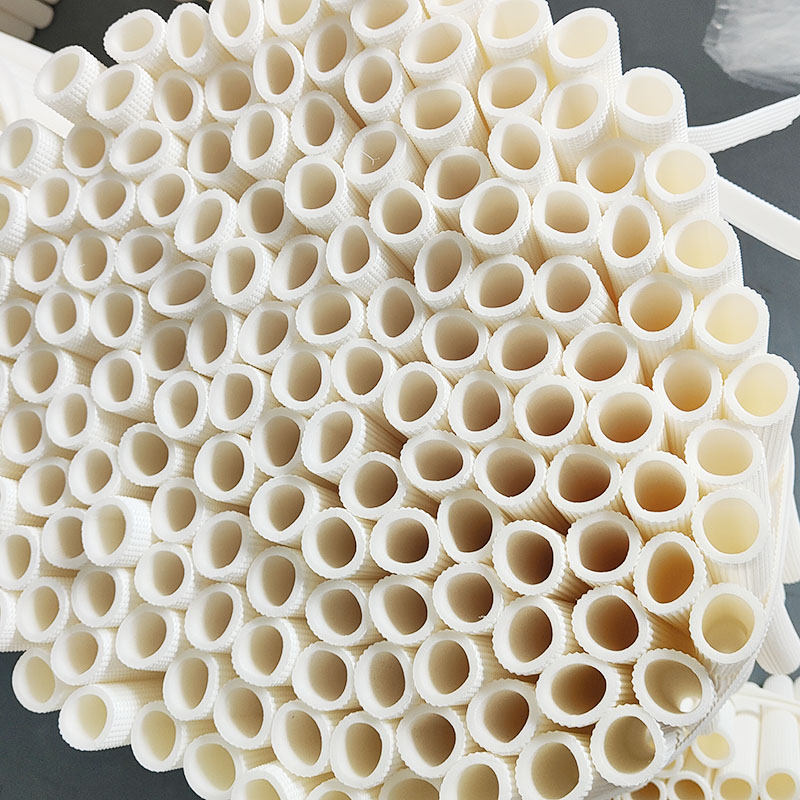
Shapes and sizes vary widely. Common forms include sheets, rolls, tubes, and custom-cut pieces. For example, foam tubes are often used for pipe insulation, while sheets may be cut into inserts for packaging or insulation panels.
Polyethylene foam stands out for its high strength and shock absorption capabilities. Thanks to its closed-cell structure, it evenly spreads out impact energy, protecting fragile items from damage. This makes it a favorite in sectors like construction, automotive, and electronics, where cushioning delicate parts is crucial. The foam bounces back to its original shape after compression, increasing the lifespan of products and devices it protects.
Another important feature is its water and chemical resistance. The sealed cells prevent moisture from seeping in, so it won’t absorb water like open-cell foams. This quality keeps the foam from degrading or losing performance over time, even in damp or corrosive environments. It also resists many chemicals, making it ideal for harsh industrial settings where exposure to solvents or oils is common.
High strength: Provides firm support and durability.
Shock absorption: Reduces damage from drops or vibrations.
Water resistance: Does not absorb moisture, preventing mold or mildew.
Chemical resistance: Withstands exposure to many solvents and oils.
Resilience: Recovers shape quickly after compression.
These properties make polyethylene foam highly versatile. For example, in packaging, it cushions sensitive electronics against shocks and moisture. In automotive interiors, it dampens vibrations and protects components from spills or chemicals. In construction, its moisture resistance helps maintain insulation performance in wet conditions.
Moreover, polyethylene foam is lightweight yet strong, which simplifies handling and reduces shipping costs. It can be customized in thickness and density to meet specific needs—softer foams for delicate items, firmer ones for heavy-duty protection.
Tip: For packaging sensitive electronics, use anti-static polyethylene foam to protect against both physical shocks and static electricity damage.
Polyethylene foam offers excellent thermal insulation properties, making it a popular choice for many industries. Its closed-cell structure traps air, which slows down heat transfer. This means it keeps heat inside during cold weather and blocks heat from entering in hot conditions. As a result, it helps maintain stable temperatures in buildings, pipes, or packaging, reducing the need for extra heating or cooling.
This thermal efficiency translates into significant energy savings. By minimizing heat loss or gain, polyethylene foam helps lower energy bills and reduces the environmental impact of heating and cooling systems. For example, using polyethylene foam in wall insulation can improve a building’s energy rating, making it more sustainable and cost-effective over time.
Beyond thermal insulation, polyethylene foam also contributes to energy efficiency through its lightweight nature. It’s easy to handle and install, which speeds up construction or manufacturing processes and reduces labor costs. Plus, its durability means it maintains insulation performance over many years without frequent replacement.
Another advantage is its resistance to moisture. Because the cells are sealed, water can’t penetrate the foam. This prevents mold growth and keeps insulation dry, which is crucial since wet insulation loses effectiveness. In humid or damp environments, polyethylene foam maintains its insulating properties better than many alternatives.
Additionally, polyethylene foam offers some acoustic benefits. It can absorb sound vibrations, reducing noise transmission in buildings or vehicles. This makes it a dual-purpose insulation material, enhancing both comfort and energy efficiency.
Effective thermal insulation: Slows heat transfer, stabilizes temperatures.
Energy savings: Reduces heating and cooling costs.
Lightweight and easy installation: Cuts labor time and costs.
Moisture resistance: Prevents mold, maintains insulation quality.
Acoustic dampening: Minimizes noise in various settings.
These benefits make polyethylene foam a smart choice for insulation in construction, automotive, and packaging industries. Its versatility and performance help businesses improve energy efficiency while protecting products and structures.
Polyethylene foam is a versatile material widely used across many industries due to its unique properties. Two of its most common applications are in packaging and product protection, as well as in construction and automotive uses.
Polyethylene foam excels in protecting products during shipping and storage. Its closed-cell structure cushions fragile items, absorbing shocks and vibrations that might otherwise cause damage. This makes it ideal for packaging delicate electronics, glassware, automotive parts, and polished wood products.
Impact resistance: The foam absorbs shocks, preventing dents or breakage.
Surface protection: Its soft texture avoids scratches or abrasions on sensitive surfaces.
Moisture barrier: It resists water, keeping products dry and free from mold or mildew.
Lightweight: Reduces shipping costs and is easy to handle.
Customizable: Available in sheets, rolls, or die-cut shapes to fit specific items.
For example, anti-static polyethylene foam protects electronic components from static electricity damage. Laminated versions combine foam with bubble wrap or paper for enhanced cushioning and labor savings.
Foam tubing and pouches offer flexible packaging solutions for oddly shaped or long items like pipes, golf clubs, or light bulbs. The ability to customize foam thickness allows precise protection levels, balancing material use and labor costs.
In construction, polyethylene foam serves as an excellent insulator. It’s used in walls, roofs, and floors to reduce heat transfer, improve energy efficiency, and provide sound dampening. Its moisture resistance helps maintain insulation performance in humid or wet environments.
Thermal insulation: Keeps buildings warm in winter and cool in summer.
Acoustic insulation: Reduces noise transmission for quieter interiors.
Expansion joints: Foam rods fill gaps, allowing for movement without damage.
Vapor barriers: Prevents moisture infiltration in walls and foundations.
In the automotive industry, polyethylene foam cushions interior components, dampens vibrations, and enhances passenger comfort. It protects delicate parts during assembly and reduces noise inside vehicles.
Seat cushioning: Adds comfort and support.
Door seals: Prevents rattling and blocks moisture.
Packaging: Protects parts during transport.
Acoustic insulation: Minimizes engine and road noise.
Because polyethylene foam is lightweight yet durable, it helps reduce overall vehicle weight, improving fuel efficiency.
Polyethylene foam is widely recognized for its versatility and durability, but understanding its environmental impact and recyclability is crucial for sustainable use.
One of polyethylene foam’s key environmental advantages is its recyclability. It is made from polyethylene polymers, which can be melted down and reprocessed into new foam products or other polyethylene-based items. This closed-loop recycling helps reduce waste and lowers the demand for virgin materials.
Recycling polyethylene foam involves collecting used foam, cleaning it to remove contaminants, then shredding and melting it for remanufacture. Many recycling programs accept polyethylene foam, especially in industrial or commercial settings where large quantities are handled. However, recycling availability varies by location, so checking local facilities is important.
Recycled polyethylene foam retains many of its original properties, making it suitable for a range of applications. For example, recycled foam can be used in packaging, insulation, or even in producing new foam sheets and rolls. This reuse extends the material’s lifecycle and reduces environmental footprint.
Despite its recyclability, polyethylene foam presents some environmental challenges. The production process involves petrochemicals and energy consumption, contributing to greenhouse gas emissions. Additionally, if not properly disposed of, polyethylene foam can persist in landfills for many years due to its resistance to degradation.
Another concern is the potential for foam to break into small pieces, which can contribute to microplastic pollution if it enters natural environments. This highlights the importance of responsible disposal and recycling efforts.
To mitigate environmental impact, manufacturers often incorporate recycled content into new polyethylene foam products. Some products contain up to 65% recycled material, reducing reliance on raw resources and lowering carbon footprint.
Polyethylene foam is a fantastic material, but it isn’t perfect. It has some challenges and limitations you should know before choosing it for your project.
One major limitation is its sensitivity to heat. Polyethylene foam can start to soften or even melt when exposed to high temperatures. This means it’s not suitable near open flames or very hot surfaces. For example, if you try to use it for insulation around pipes carrying very hot fluids, it could degrade or lose its shape.
UV rays from sunlight can also damage polyethylene foam over time. Prolonged exposure causes the foam to break down, losing strength and flexibility. This leads to cracking, discoloration, and reduced performance. To prevent this, the foam often needs UV stabilizers added during manufacturing or protective coatings applied after installation, especially for outdoor uses.
While polyethylene foam is strong, it can lose mechanical resistance when subjected to repeated or very strong impacts. Over time, heavy or sharp forces can cause the foam to compress permanently or even tear. This is important to consider for applications involving constant mechanical stress or heavy loads.
For example, foam used as padding in high-traffic areas or for heavy machinery protection might wear out faster than expected. Selecting the right foam density and thickness can help, but it won’t eliminate this limitation entirely.
Polyethylene foam offers exceptional water resistance, durability, and versatility, making it ideal for various industries, including packaging, construction, and automotive. Its closed-cell structure provides superior cushioning and insulation, while its lightweight nature simplifies handling and reduces costs. Future advancements may enhance its recyclability and environmental impact.
At Lukwom, our polyethylene foam products deliver unmatched value by combining these benefits with customizable options to meet diverse needs. Experience the unique advantages our foam solutions bring to your applications.
Q: What is PE insulation and how does it work?
A: PE insulation refers to polyethylene foam used for thermal insulation. Its closed-cell structure traps air, slowing heat transfer and stabilizing temperatures.
Q: Why choose polyethylene foam for insulation?
A: Polyethylene foam offers excellent thermal and moisture resistance, energy savings, and easy installation, making it ideal for various insulation applications.
Q: How does PE insulation compare to other materials?
A: PE insulation is lightweight, durable, and moisture-resistant, offering superior thermal performance and ease of use compared to many alternatives.
Q: What are the cost considerations for PE insulation?
A: PE insulation is cost-effective due to its durability, energy savings, and lightweight nature, which reduces shipping and installation costs.


