
Tel:
+86-551-6346-0808
Factory Add:
Plant 5-6, Zhongnan High Tech Industrial Park, Zhegao, Chaohu City, Anhui. 

Views: 0 Author: Site Editor Publish Time: 2025-10-07 Origin: Site
Have you ever wondered why polyethylene (PE insulation) is so popular in construction and industrial applications? It's not just about its lightweight and durable nature. Understanding its life expectancy is crucial for maximizing its benefits. In this post, you'll learn what PE insulation is, why knowing its lifespan is important, and explore its diverse applications.
Polyethylene foam (PE foam) is a lightweight, durable material made from polyethylene resin. Its structure consists of millions of tiny air pockets called cells. These cells are sealed off from each other, creating a closed-cell foam. This closed-cell structure prevents water, air, and moisture from passing through, making the foam resistant to water absorption and damage. The foam is produced by mixing polyethylene resin with additives like stabilizers and foaming agents, then extruding the mixture into sheets, rolls, or blocks.
PE foam is primarily a closed-cell foam, which means each cell is completely enclosed. This contrasts with open-cell foam, where cells are interconnected, allowing air and moisture to flow through. The closed-cell nature gives PE foam several advantages:
Water resistance: It does not absorb water, making it ideal for damp or wet environments.
Higher durability: The sealed cells provide rigidity and strength.
Better insulation: It traps air effectively, providing excellent thermal insulation.
Buoyancy: Its closed cells make it buoyant, useful in flotation devices.
Open-cell foam, while softer and more flexible, is less durable and not water-resistant, limiting its use in insulation and protective applications.
PE foam has several key properties that make it a versatile insulation material:
Lightweight: Easy to handle and install without adding significant weight.
Chemical resistance: It withstands exposure to many chemicals without degrading.
Thermal insulation: Its structure reduces heat transfer, making buildings more energy-efficient.
Shock absorption: It cushions impacts, protecting fragile items during shipping.
Compression resistance: It can endure repeated pressure without losing shape or performance.
Durability: Resistant to wear, tear, and environmental factors, with a typical lifespan of 15 to 20 years depending on use and conditions.
These properties make PE foam suitable for applications in construction, packaging, automotive, and marine industries.
Tip: Always choose closed-cell polyethylene foam for insulation projects requiring water resistance and long-term durability.
Polyethylene (PE) insulation is known for its durability and resistance, but several factors can influence how long it lasts. Understanding these helps in choosing the right material and maintaining it properly.
PE insulation is sensitive to ultraviolet (UV) radiation from sunlight. Prolonged exposure causes the foam to degrade, becoming brittle and losing flexibility. This breakdown can lead to cracks and reduced insulating properties. Using UV-resistant coatings or shielding the insulation from direct sunlight extends its life.
Extreme temperatures affect PE insulation’s performance. High heat can soften or deform the foam, while very low temperatures may make it brittle. Repeated cycles of heating and cooling cause expansion and contraction, stressing the material and potentially leading to cracks or compression set. Insulation designed for specific temperature ranges performs better and lasts longer.
PE foam resists many chemicals, but exposure to harsh solvents, oils, or acids can damage its structure. Chemicals may cause the foam to swell, soften, or degrade, reducing its insulating ability and mechanical strength. Proper selection of PE insulation compatible with the environment prevents premature failure.
Repeated compression or mechanical stress reduces the foam’s thickness and resilience. Over time, this leads to permanent deformation and loss of cushioning or insulating properties. Areas subject to heavy loads or frequent movement require PE foam with high compression resistance or additional protective layers.
Thanks to its closed-cell structure, PE insulation resists water absorption. However, if damaged or improperly installed, moisture can infiltrate, promoting mold growth and material degradation. Maintaining the integrity of the foam and ensuring proper sealing prevents moisture-related issues and prolongs lifespan.
Tip: Protect PE insulation from direct sunlight and harsh chemicals, and avoid excessive compression to maximize its service life.
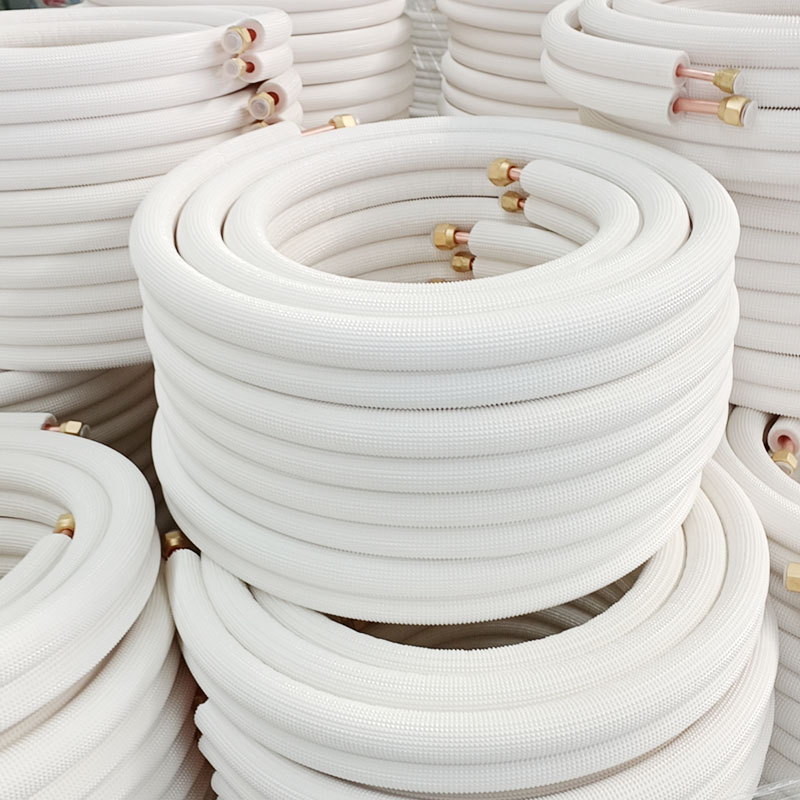
Storing PE insulation correctly plays a big role in how long it lasts. Keep it in a cool, dry place away from direct sunlight. Heat and UV rays can break down the foam over time, making it brittle and less effective. Avoid storing foam near chemicals or solvents that might cause damage. Also, place it on flat surfaces to prevent unnecessary compression or deformation. Using protective covers or wrapping the foam can shield it from dust, dirt, and moisture during storage.
PE insulation performs best when shielded from extreme conditions. Prolonged exposure to sunlight, harsh chemicals, or high humidity can shorten its lifespan. If the insulation is outdoors, consider using UV-resistant coatings or protective barriers to block sunlight. In areas prone to chemical spills or fumes, select PE foam with chemical resistance or add extra protective layers. Avoid locations with frequent temperature swings that cause expansion and contraction, as this stresses the foam and leads to cracks or breaks.
Handle PE insulation gently to prevent damage. Avoid sharp bends or excessive compression that can deform the foam cells. When installing, use tools and techniques designed for foam to maintain its structure. Regularly inspect installed insulation for signs of wear, such as cracks, tears, or discoloration. Clean it gently using a soft cloth or brush to remove dust and debris, avoiding harsh chemicals or abrasive materials. If minor damage appears, repair it promptly to prevent further deterioration.
Tip: Store PE insulation in cool, shaded areas and handle it carefully to maximize durability and maintain its insulating performance over time.
One of the clearest signs that PE insulation needs replacement is visible physical damage. Look for holes, tears, or rips in the foam. These damages compromise the foam’s density and protective qualities. Even small punctures allow moisture or air to penetrate, reducing insulation effectiveness. Cracks or brittleness also indicate aging or UV damage. Unlike some materials, damaged PE foam cannot be easily repaired. Once you see physical deterioration, replacement is necessary to maintain insulation integrity.
If the insulation no longer performs as expected, it’s time to consider a replacement. Signs include reduced thermal insulation, increased condensation, or loss of cushioning ability. PE foam should maintain consistent density and thickness; any shrinkage or unevenness suggests degradation. In industrial or packaging uses, if vibration damping or shock absorption weakens, the foam may fail to protect equipment or products properly. Regular performance checks help catch these issues early.
PE insulation typically lasts between 15 and 20 years under ideal conditions. However, environmental factors and usage can shorten this lifespan. If your insulation has been in use for over 10 years, inspect it thoroughly, especially if exposed to harsh conditions. Aging foam becomes brittle, loses elasticity, and may develop micro-cracks. Prolonged exposure to UV rays, temperature swings, or chemicals accelerates aging. Timely replacement prevents energy loss and potential damage to insulated systems.
PE insulation stands out for its unique combination of properties making it highly effective and versatile. Its closed-cell structure blocks water and air, which helps prevent moisture damage and maintains insulation quality over time. This water resistance is a big advantage in humid or wet environments where other materials might fail. PE foam is lightweight, easy to install, and flexible, allowing it to fit around pipes, ducts, and irregular shapes without cracking or breaking. It also resists most chemicals, so it won’t degrade quickly in harsh settings. Another plus is its durability—it can last 15 to 20 years or more under proper conditions. Plus, PE insulation offers good thermal performance, helping reduce energy costs by keeping heat in or out effectively.
Fiberglass insulation has been a common choice for decades, but PE insulation offers some clear benefits over it. Fiberglass is made from tiny glass fibers and can irritate skin and lungs during installation, requiring protective gear. PE foam is safer to handle, with no airborne fibers. Fiberglass absorbs moisture, which can reduce its insulating ability and lead to mold growth. PE’s closed-cell foam resists water absorption, maintaining its performance even in damp conditions. Fiberglass tends to compress or sag over time, losing effectiveness, while PE foam retains its shape and thickness better. However, fiberglass can be less expensive upfront and is often used in large wall cavities, while PE foam is more common for pipe insulation, soundproofing, and cushioning.
Compared to other foam insulations like open-cell polyurethane or polystyrene, PE foam offers a distinct set of advantages. Open-cell foams are softer and more flexible but allow air and moisture to pass through, which can reduce insulation efficiency and lead to damage. PE’s closed-cell design makes it more resistant to moisture and mechanical stress. Polyurethane foams often have higher R-values (thermal resistance), but PE foam is more chemical resistant and easier to handle. Polystyrene foams provide good insulation but can be brittle and less flexible than PE foam. PE foam also resists compression better, making it ideal for cushioning and vibration damping. Its chemical neutrality means it won’t react with metals or other building materials, preventing corrosion or damage.
Polyethylene (PE) insulation is widely used in residential buildings due to its excellent thermal properties and durability. For example, Aerofoam® XLPE, a cross-linked closed-cell PE foam, was installed in a 20-story residential building in Dubai Sports City. Installed over a decade ago, it still performs well, preventing condensation and maintaining energy efficiency. Residents appreciate its easy maintenance, as dust and dirt can be wiped off easily, keeping the insulation clean and hygienic. This longevity and ease of upkeep make PE insulation a trusted choice for homes, especially in climates with high humidity or temperature fluctuations.
In commercial settings, PE insulation proves its value by maintaining performance under heavy use and exposure. Dragon Mart, a large commercial complex in Dubai, installed PE foam insulation on ductwork alongside fiberglass and pre-insulated ducts. After six years, the PE insulation showed no signs of damage or performance loss, unlike the fiberglass and pre-insulated ducts, which suffered water damage and mold growth. This example highlights PE foam’s resistance to moisture, mold, and physical wear, contributing to a healthier environment and reducing maintenance costs in commercial spaces.
Industries rely on PE insulation for its durability and protective qualities. Its closed-cell structure resists moisture, chemicals, and mechanical stress, making it ideal for insulating pipes, machinery, and equipment in factories. PE foam cushions vibrations and absorbs shocks, protecting sensitive components during operation or transport. Its chemical neutrality prevents corrosion when in contact with metals, extending equipment lifespan. Additionally, PE insulation’s lightweight and flexible nature simplifies installation in complex industrial setups, reducing labor and downtime.
Polyethylene (PE) insulation typically lasts 15-20 years, influenced by factors like UV exposure, temperature, and chemical contact. Proper storage and handling extend its lifespan, making it ideal for various applications. When choosing insulation, consider PE for its durability, water resistance, and easy maintenance. Lukwom offers PE insulation solutions that provide long-lasting value, ensuring energy efficiency and reduced maintenance costs across residential, commercial, and industrial settings.
A: PE insulation is made from polyethylene resin, forming a closed-cell foam structure that provides water resistance and durability.
A: PE insulation generally lasts 15 to 20 years, depending on environmental conditions and proper maintenance.
A: PE insulation offers water resistance, durability, and easy installation, making it ideal for environments prone to moisture or chemical exposure.
A: Protect PE insulation from UV rays, extreme temperatures, and harsh chemicals to maximize its lifespan.
A: Look for physical damage, reduced performance, or if the insulation is over 10 years old, indicating it's time for replacement.


