
Tel:
+86-551-6346-0808
Factory Add:
Plant 5-6, Zhongnan High Tech Industrial Park, Zhegao, Chaohu City, Anhui. 

Views: 0 Author: Site Editor Publish Time: 2026-01-06 Origin: Site
Rubber insulation tubes play a key role in maintaining energy efficiency and protecting pipes in various systems. Whether used in HVAC, plumbing, or refrigeration, these versatile tubes help prevent moisture damage and improve system performance. In this article, we will explore the importance of rubber insulation tubes, focusing on their benefits for air conditioner insulation and other applications. You’ll learn about their functions, types, and how they contribute to a more efficient, durable system.
Rubber insulation tubes are highly effective in preventing condensation, particularly on cold pipes such as those found in air conditioning systems. This helps reduce water damage, mold growth, and pipe corrosion, making it an essential solution for HVAC and refrigeration systems.
| Element | Technical Specifications | Efficiency | Applications | Effect | Precautions | Performance Data | Advantages |
|---|---|---|---|---|---|---|---|
| Structure Type | Closed-cell structure | Prevents water vapor permeability | Air conditioning refrigerant lines, cooling pipes | Prevents water damage, mold growth, and pipe corrosion | Ensure pipe surfaces are dry and clean during installation | Water vapor permeability: 0.03 perm-in | Keeps systems dry, extends equipment lifespan |
| Material Properties | Built-in vapor barrier | Prevents sweating on cold pipes | Refrigeration, underground pipes | Prevents moisture accumulation, reducing the risk of mold | Use sealing tapes to ensure airtight fit | Absorption rate: Low, joints tightly sealed | Improves system efficiency, lowers repair costs |
| Temperature Range | -25°C to +80°C | Prevents condensation on cold pipes | Air conditioning ducts | Reduces sweating in high humidity environments | Do not compress the material as it can affect insulation performance | Temperature range: -25°C to +80°C | Excellent anti-condensation effect, suitable for humid environments |
| Installation Method | Slip-on or snap-on installation | Provides seamless moisture protection | Various industrial pipe systems | Ensures effective prevention of water damage | Professional installation required to avoid gaps | Easy to install, no special tools required | Quick installation, customizable fit |
Tip: For optimal condensation control, ensure a snug fit when installing rubber insulation, particularly around joints, to maintain moisture protection.
Rubber insulation tubes not only provide excellent thermal insulation for both hot and cold systems but also improve energy efficiency. By reducing heat loss in hot water pipes and heat gain in cooling systems, they help maintain consistent temperatures and lower energy costs.
| Element | Technical Specifications | Efficiency | Applications | Effect | Precautions | Performance Data | Advantages |
|---|---|---|---|---|---|---|---|
| Thermal Conductivity | K-value: 0.245 (W/m·K) | Reduces heat loss | Hot water pipes, air conditioning refrigerant lines | Improves energy efficiency, reduces energy consumption | Ensure tight sealing to avoid thermal leakage | Thermal conductivity: 0.245 (W/m·K) | Significantly reduces energy costs, improves energy management |
| Material Type | Rubber foam, closed-cell structure | Heat retention capability | Residential buildings, commercial buildings | Reduces energy loss, maintains optimal system temperature | Ensure the surface is clean, avoid dirt accumulation | High durability, stable under temperature fluctuations | Long-lasting insulation, great for energy savings |
| Application Effect | Prevents heat loss in hot water pipes | Energy-efficient, reduces cooling needs | HVAC systems, industrial piping systems | Optimizes heat management, prevents overheating | Ensure materials are installed properly to prevent wear | High durability, suitable for fluctuating temperatures | Saves energy, reduces long-term maintenance needs |
| Temperature Range | -25°C to +105°C | Effective in extreme temperature environments | Industrial facilities, HVAC equipment | Improves system efficiency, avoids heat loss | Avoid excessive temperature exposure to prevent aging | Temperature range: -25°C to +105°C | Stable under high temperatures, performance unaffected |
Tip: Ensure proper insulation thickness is selected based on the temperature range for the specific application to maximize energy savings.
The closed-cell structure of rubber insulation makes it highly resistant to moisture absorption, which is crucial for long-term system performance. Moisture can lead to mold, mildew, and rust, especially in HVAC systems where the equipment is exposed to fluctuating temperatures. Rubber insulation inhibits the growth of these harmful elements, helping maintain the integrity of pipes and systems.
In colder climates, rubber insulation plays a vital role in protecting pipes from freezing. Unprotected pipes in places like attics or basements are prone to freezing, which can cause them to burst, leading to costly repairs and water damage. Rubber insulation tubes provide an extra layer of protection, keeping the pipes warm enough to prevent freezing even in sub-zero temperatures.
Rubber insulation tubes are durable and flexible, making them easy to install in various systems. Whether you're insulating air conditioning ducts, refrigerant lines, or plumbing pipes, rubber insulation can bend and shape around tight corners without cracking. This flexibility also makes it ideal for complex piping systems found in industrial settings, where other materials might be difficult to work with.
Certain types of rubber insulation, such as EPDM (Ethylene Propylene Diene Monomer), are designed to withstand harsh environmental conditions. EPDM rubber is resistant to UV rays and ozone, making it suitable for outdoor applications where exposure to sunlight and weather conditions is common. This resistance extends the life of the insulation and ensures it continues to perform efficiently over time.
Rubber insulation tubes with fire-resistant properties are crucial for ensuring safety in high-risk environments. These materials help slow the spread of flames, adding an essential layer of protection in buildings, HVAC systems, and industrial settings where fire safety is a priority.
| Element | Technical Specifications | Efficiency | Applications | Effect | Precautions | Performance Data | Advantages |
|---|---|---|---|---|---|---|---|
| Fire Rating | Class O/B1 | Slows flame spread, delays fire escalation | Buildings, industrial equipment, HVAC systems | Increases fire safety, prevents flame spread | Choose fire-rated materials to ensure compliance | Fire testing meets ASTM E-84 standards | Significantly improves fire safety, ensures system protection |
| Material Fire Resistance | Synthetic rubber materials (e.g., Neoprene) | Provides continuous fire protection | High-risk areas, factories, warehouses | Prevents rapid fire spread, reduces building damage | Perform regular inspections to ensure fire safety compliance | Heat resistance: Up to +200°C | Helps slow down fire spread, reduces property damage |
| Fire Test Results | Meets national fire safety standards | Improves fire response time | Pipework, electrical equipment | Protects pipes and systems during fire incidents | Ensure proper installation with other fire safety systems | Fire rating: Class O, B1 | Reduces fire-related losses, increases safety |
| Application Effect | Provides effective fire protection in systems | Enhances building resilience against fire | Industrial plants, data centers | Prevents pipes from being damaged by fire, ensures equipment safety | Coordinate with fire safety systems for comprehensive protection | Fire resistance: Can withstand high temperatures for a prolonged period | Reduces fire risks, ensures personnel safety |
Tip: Regularly check fire-resistant insulation for damage to ensure ongoing protection in high-risk areas.
One of the most significant benefits of rubber insulation tubes is their ability to conserve energy. By reducing heat transfer and preventing thermal leakage, these tubes help reduce energy consumption. For air conditioning systems, this means that the desired cool air is maintained more effectively, lowering the energy required to keep a space at the right temperature. Over time, this leads to lower energy bills and a smaller carbon footprint.
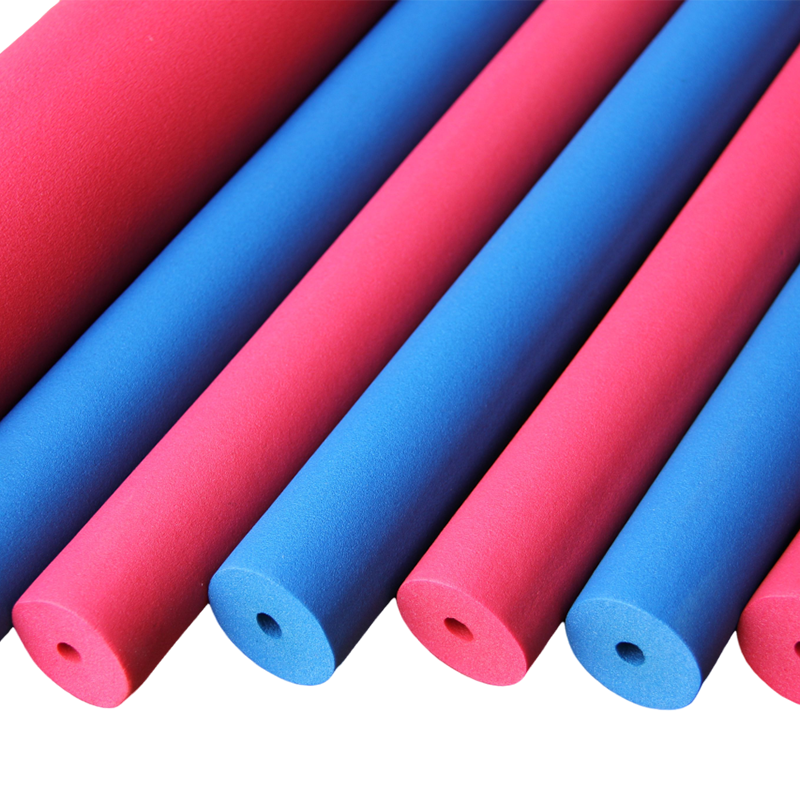
Rubber insulation tubes are extensively used in HVAC systems, especially for air conditioning units and refrigeration lines. They prevent energy loss by maintaining the required temperature inside the refrigerant pipes. This improves the overall efficiency of the HVAC system. Additionally, by reducing condensation, rubber insulation ensures that the air conditioning system operates effectively without moisture-related issues.
Rubber insulation tubes are also widely used in plumbing systems, where they protect both hot and cold water pipes. On cold water pipes, the insulation prevents condensation, reducing the risk of water damage and mold. For hot water pipes, it ensures that the water remains at the desired temperature, preventing energy loss. Rubber insulation is also used in outdoor plumbing to prevent pipes from freezing during cold weather, especially in areas where temperatures can dip below freezing.
In industrial settings, rubber insulation is used for chilled water loops, process piping, and tanks. These systems require insulation to maintain temperature control and prevent the pipes from becoming susceptible to corrosion. Rubber insulation’s ability to resist moisture and maintain flexibility in extreme temperatures makes it a perfect fit for industrial applications that demand durable and reliable materials.
Nitrile rubber insulation is known for its high flexibility, chemical resistance, and ability to prevent condensation. It is widely used in refrigeration and air conditioning applications. The material resists oils, acids, and other chemicals, which makes it highly suitable for industrial settings where such substances are common.
EPDM rubber is a popular choice for outdoor applications because of its resistance to UV rays, ozone, and extreme temperatures. This type of rubber is commonly used in systems exposed to sunlight, such as outdoor HVAC units and refrigeration systems. Its durability and environmental resistance make it a preferred option for long-term insulation.
Neoprene rubber insulation is versatile and provides excellent resistance to oil, acids, and weathering. This makes it ideal for industrial environments where pipes may be exposed to harsh chemicals. Neoprene also provides superior fire resistance and is used in applications that require enhanced protection against high temperatures.
Silicone rubber insulation is designed for high-temperature applications. It is commonly used in systems that require heat resistance, such as in air conditioning units and exhaust systems. Silicone rubber maintains its flexibility and insulating properties even under extreme temperatures, making it ideal for high-performance systems.
There are two primary installation methods for rubber insulation tubes: the slip-on method and the snap-on method. The slip-on method is used for new pipes before they are connected, while the snap-on method is ideal for pipes that are already installed. Both methods are easy to apply, ensuring that rubber insulation can be quickly installed without specialized tools.
It is essential to ensure that rubber insulation fits snugly around the pipe to avoid thermal leakage and condensation. The insulation should be tightly sealed at the joints to prevent moisture from entering and reducing its effectiveness. Using adhesive and sealing tapes is recommended for a secure and airtight fit.
Rubber insulation tubes can be easily cut and shaped to fit around pipe joints, elbows, and bends. This flexibility allows for customized installation in complex piping systems. Properly cutting and shaping the insulation ensures that all areas of the pipe are adequately covered, maximizing the insulation's efficiency.
| Feature | Rubber Insulation | Fiberglass Insulation |
|---|---|---|
| Moisture Resistance | Superior moisture resistance due to its closed-cell structure, repels water | Prone to moisture absorption, leading to mold growth and reduced performance |
| Thermal Insulation | Effective thermal insulation, reducing energy loss in both hot and cold pipes | Also provides effective thermal insulation but loses efficiency when damp |
| Ease of Installation | Easier to install, flexible, and can be applied in tight spaces and irregular shapes | More difficult to install, requires additional protective coatings to prevent moisture penetration |
| Durability | Highly durable, flexible, and can withstand harsh environments without degrading | Less durable, prone to damage when exposed to moisture or physical stress |
| Fire Resistance | Many rubber insulations are fire-resistant, ensuring safety in case of fire | Generally fire-resistant but may deteriorate when exposed to high temperatures for long periods |
| Applications | HVAC systems, plumbing, refrigeration, industrial piping, outdoor installations | Mostly used in attic insulation, walls, and general building insulation |
| Performance in Humid Environments | Excellent performance in humid conditions, prevents mold and mildew growth | Performance decreases in humid conditions, can trap moisture and lead to mold growth |
| Lifespan | Long lifespan due to moisture and environmental resistance | Shorter lifespan, especially in wet environments where it may need frequent replacement |
| Energy Efficiency | Maintains energy efficiency by preventing heat loss and condensation | Reduces energy efficiency in humid conditions as it loses insulating properties when wet |
| Environmental Impact | Can be made from recycled rubber, eco-friendly options available | Typically not recyclable, often made with harmful chemicals like formaldehyde |
Tip: Choose rubber insulation for areas exposed to moisture or high humidity to ensure long-term performance and energy efficiency.
| Feature | Rubber Insulation | Foam Insulation |
|---|---|---|
| Moisture Resistance | Superior moisture resistance due to its closed-cell structure, making it resistant to water absorption | Foam insulation generally has open-cell or less dense structures, making it more susceptible to moisture absorption |
| Durability | Highly durable, resists wear and tear, and maintains effectiveness under extreme environmental conditions | Less durable, can degrade when exposed to harsh conditions or UV rays |
| Flexibility | Highly flexible, ideal for adapting to irregular shapes and tight spaces | Less flexible, may require custom fittings for irregular shapes |
| Thermal Insulation | Provides consistent thermal insulation, reduces heat loss and gain effectively | Also provides thermal insulation, but may degrade over time when exposed to moisture or UV light |
| Fire Resistance | Many rubber insulations have excellent fire resistance, slowing down flame spread | Foam insulation may have limited fire resistance, depending on the material used (some types are highly flammable) |
| Applications | HVAC systems, refrigeration, plumbing, industrial systems, outdoor installations | Residential and commercial building insulation, HVAC systems, some refrigeration |
| Energy Efficiency | Reduces energy consumption by maintaining the desired temperature and preventing heat loss | Reduces energy efficiency when exposed to moisture, losing insulating properties |
| Performance in Harsh Conditions | Performs well in extreme temperatures and harsh environments without degradation | Foam can degrade when exposed to heat, moisture, or UV light, reducing its effectiveness |
| Installation Ease | Easy to install, fits well in tight spaces, flexible material | Can be harder to install, especially in irregular areas, and requires special fittings |
| Lifespan | Long lifespan, resistant to UV radiation and extreme temperatures | Shorter lifespan in outdoor or harsh conditions, may require more frequent replacement |
Tip: For outdoor or industrial applications, rubber insulation provides better long-term performance compared to foam, especially in humid or extreme conditions.
Rubber insulation products made from eco-friendly materials are a sustainable choice for various applications. These products help reduce environmental impact while maintaining high performance in terms of thermal and moisture control. Choosing eco-friendly rubber insulation aligns with sustainability goals and reduces long-term environmental damage.
| Element | Technical Specifications | Efficiency | Applications | Effect | Precautions | Performance Data | Advantages |
|---|---|---|---|---|---|---|---|
| Eco-Friendly Materials | Natural rubber, recycled rubber | Reduces environmental impact, meets sustainability goals | Residential, commercial, industrial projects | Lowers carbon footprint, conserves resources | Ensure products comply with green building standards (LEED/BREEAM) | No CFCs, non-toxic, eco-friendly materials | Meets environmental requirements, ideal for sustainable buildings |
| Performance Indicators | Free of CFCs, chlorine, and harmful chemicals | Increases system energy efficiency | Building materials, HVAC systems | Prevents moisture penetration, reduces energy waste | Ensure proper recycling and reuse of materials | Performance: Low water vapor permeability | Sustainable, cost-effective, ideal for green projects |
| Lifecycle | Long lifespan, durable, reduces replacement needs | Reduces resource waste, optimizes material use | Industrial facilities, buildings | Low environmental impact, long-lasting performance | Regular maintenance ensures sustained environmental benefits | Lifespan: Over 15 years, highly durable | Long-term use reduces maintenance frequency and replacement costs |
| Recyclability | Recyclable, complies with eco-standards | Helps achieve circular economy, promotes resource reuse | Applicable in all types of buildings and industries | Supports green technology, reduces environmental burden | Ensure compatibility with other eco-friendly materials for optimized systems | Recyclability rate: Over 80% | Supports circular economy, reduces environmental pollution |
Tip: Opt for recyclable rubber insulation products to meet sustainability goals while ensuring high performance and durability.
Rubber insulation helps reduce energy consumption by minimizing heat loss and maintaining temperature control. This, in turn, lowers the carbon footprint of HVAC and plumbing systems. By improving energy efficiency, rubber insulation not only saves money on energy bills but also helps protect the environment.
Rubber insulation tubes play a critical role in maintaining the efficiency and longevity of HVAC, plumbing, and industrial systems. These tubes effectively prevent condensation, reduce energy loss, and offer protection against environmental factors. Their versatility makes them a valuable investment for both residential and commercial applications. With the ability to improve air conditioning efficiency and prevent pipe freezing, rubber insulation ensures system durability. Additionally, Anhui Lukwom HVAC Equipment Co., Ltd. provides high-quality rubber insulation products designed to meet the needs of various industries, offering reliable performance and long-lasting protection.
A: Rubber insulation tubes are used in air conditioning systems to prevent condensation, reduce energy loss, and maintain temperature control. They help keep refrigerant lines cool and prevent moisture buildup, ensuring the system operates efficiently.
A: Rubber insulation helps maintain the desired temperature inside air conditioning systems by reducing thermal loss and preventing heat gain. It also reduces condensation, which can cause system inefficiency and damage over time.
A: Rubber insulation offers better moisture resistance and durability compared to foam, which may degrade when exposed to harsh environmental conditions. Rubber’s closed-cell structure ensures longer-lasting performance in air conditioning systems.
A: To install rubber insulation, choose either the slip-on or snap-on method. Ensure the insulation fits snugly around the pipes and seal joints to prevent thermal leakage and moisture accumulation for effective performance in air conditioning systems.
A: Rubber insulation provides superior moisture resistance, flexibility, and durability, making it ideal for HVAC systems. It helps improve energy efficiency, reduces heat loss, and protects pipes from freezing or damage in air conditioning and heating systems.
A: While rubber insulation may have a higher upfront cost compared to fiberglass, it offers better durability, energy savings, and moisture resistance, making it a more cost-effective long-term solution for air conditioning systems.


