
Tel:
+86-551-6346-0808
Factory Add:
Plant 5-6, Zhongnan High Tech Industrial Park, Zhegao, Chaohu City, Anhui. 

Polyethylene (PE) insulation is a highly versatile and durable material widely used in electrical cables. Known for its excellent electrical, thermal, and chemical resistance, PE insulation is essential in ensuring the reliable performance of cables in various demanding applications. Whether for telecommunications, Ethernet, or submarine cables, PE insulation provides outstanding protection against environmental factors, ensuring longevity and efficiency in cable systems. In this article, we explore the properties, applications, and benefits of PE insulation to help you choose the right solution for your needs.
Polyethylene comes in several types, classified mainly by density and branching structure. Each type has unique properties suited for different applications:
LLDPE has a density range near the lower end, offering good flexibility and toughness. It is used where moderate strength and flexibility are required.
LDPE is softer and more flexible than other types due to its lower density and higher branching. It provides excellent flexibility and impact resistance, often used in applications needing pliability.
MDPE strikes a balance between LDPE and HDPE. It offers better stress crack resistance and is tougher than LDPE. MDPE is often used in gas pipes and cable insulation where durability is important.
HDPE has the highest density and crystallinity, resulting in a harder, stiffer material. It offers excellent tensile strength and chemical resistance. HDPE is widely used in applications requiring rigidity and strength, such as cable sheathing and piping.
The density of these types ranges approximately from 0.87 g/cm³ (LDPE) to 0.97 g/cm³ (HDPE). Higher density means greater crystallinity, hardness, and stiffness. Manufacturers continue refining polymerization techniques, producing ultra-high molecular weight and very low-density variants to meet specialized needs.
PE insulation stands out for its excellent electrical properties. It has a low dielectric constant and low electrical loss, making it ideal for high-frequency signal transmission. This means cables insulated with PE can carry signals with minimal interference and energy loss. Its high electrical resistivity prevents current leakage, ensuring safety and efficiency in electrical systems.
PE insulation offers good thermal insulation, helping maintain temperature stability in cables. It typically operates continuously up to about 70°C, though it performs well even at very low temperatures, down to -60°C. This wide temperature range suits many environments. Additionally, foamed PE enhances thermal insulation further due to its cellular structure. Acoustic insulation is another benefit, especially in foamed PE, which dampens noise and vibrations, useful in building applications.
One of PE’s strongest points is its resistance to water and many chemicals. It does not absorb moisture, which protects cables from corrosion and degradation. PE resists acids, alkalis, and many solvents, making it durable in harsh environments. However, it has only moderate resistance to oils and greases, so it may not suit oily conditions without additives or special formulations.
PE insulation is generally halogen-free but flammable. It can catch fire and burn, which limits its use in some applications without additional fire retardants or treatments. However, PE resists ultraviolet (UV) light poorly when exposed outdoors. UV exposure can degrade the material, causing brittleness and cracking over time. Manufacturers often add carbon black or UV stabilizers to improve resistance and extend service life in sunlight-exposed installations.
Tip: When selecting PE insulation, consider foamed PE for better thermal and acoustic performance, and ensure UV stabilizers are included for outdoor cable applications.
PE insulation is widely used in telecommunications and Ethernet cables due to its excellent electrical properties and durability. It provides low dielectric constant and minimal signal loss, essential for high-speed data transmission. PE’s resistance to moisture and chemicals protects delicate conductors from environmental damage. This ensures reliable performance in telephone lines, internet cables, and networking systems.
Ethernet cables insulated with PE maintain signal integrity over long distances, reducing interference and crosstalk. Its flexibility allows for easy installation in tight spaces, while its toughness guards against physical damage during handling. These features make PE insulation a top choice for telecom infrastructure and data centers.
Submarine cables, which lie on or under the seabed, demand insulation materials that resist water ingress, pressure, and chemical attack. PE’s excellent water resistance and chemical stability make it ideal for these harsh environments. It prevents corrosion and maintains cable performance over decades underwater.
Coaxial cables also benefit from PE insulation. Its low dielectric loss supports high-frequency signal transmission, critical for cable TV, satellite, and broadband services. PE’s mechanical strength protects the cable’s inner conductor and shielding layers from physical stress and abrasion.
Foamed PE insulation incorporates tiny air cells, reducing its density and dielectric constant. This structure lowers signal attenuation and improves thermal insulation. Foamed PE is especially useful in high-frequency cables, where signal clarity is paramount.
Besides electrical benefits, foamed PE offers better acoustic insulation, reducing noise and vibration in cable installations. It also provides cushioning, protecting cables from mechanical shocks and impacts. These advantages make foamed PE popular in specialized applications requiring both electrical performance and physical protection.
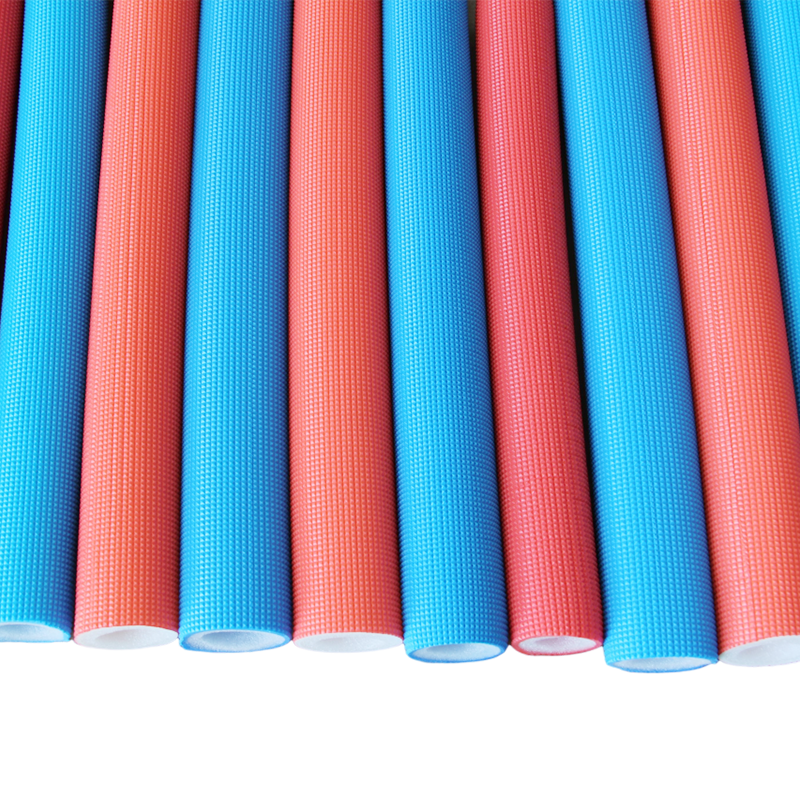
Polyethylene (PE) insulation offers many advantages that make it a top choice for cable manufacturers and users. First, it provides excellent electrical insulation thanks to its low dielectric constant and high resistivity. This means cables lose less energy and maintain strong signal integrity over long distances. It’s especially valuable in telecommunications and data cables.
PE is also highly resistant to water and chemicals. It does not absorb moisture, which prevents corrosion and extends cable life in damp or harsh environments. Its chemical resistance protects cables against acids, alkalis, and many solvents. This durability ensures cables perform reliably even in industrial or outdoor settings.
Thermally, PE operates well across a wide temperature range, from about -60°C up to 70°C. It remains stable and flexible in cold climates, which is critical for outdoor and underground cables. Foamed PE improves thermal insulation further, reducing heat transfer and enhancing cable efficiency.
Another benefit is its ease of processing. PE can be extruded and formed using standard equipment, allowing manufacturers to produce various cable types efficiently. It also adapts well to foaming techniques, producing lighter cables with better insulation.
PE insulation is halogen-free, reducing toxic gas emissions during combustion compared to some other materials. While it is flammable, additives can improve flame resistance for safer use in many applications.
Despite its many strengths, PE insulation has some limitations to consider. The most notable is its flammability. PE can catch fire and burn readily unless treated with flame retardants or combined with other materials. This restricts its use in environments requiring high fire safety standards without additional measures.
UV resistance is another concern. PE degrades under prolonged exposure to sunlight, causing brittleness and cracking. Manufacturers often add carbon black or UV stabilizers to combat this, but untreated PE is unsuitable for long-term outdoor use.
PE also has moderate resistance to oils and greases, which can cause swelling or degradation over time. This limits its use in oily or greasy environments unless specially formulated.
Its relatively low melting point (around 110-130°C) means PE is unsuitable for high-temperature power cables unless cross-linked (XLPE). Cross-linking improves heat resistance but changes processing requirements and cost.
Finally, while PE is flexible, higher-density types like HDPE are stiffer, which may affect cable bending and installation in tight spaces.
PE insulation is mainly produced using extrusion, a process where polyethylene pellets melt and form a continuous insulating layer around a conductor. The extrusion method is popular because it ensures uniform thickness and excellent adhesion to the conductor. Manufacturers often use single-screw extruders equipped with cooling troughs to solidify the insulation after extrusion.
Cooling troughs usually have graduated zones to control the cooling rate. This prevents rapid contraction, which can cause voids or internal stresses in the insulation. Proper cooling ensures mechanical strength and electrical integrity. For thicker cables, careful temperature control during cooling is even more critical.
Foamed PE insulation uses blowing agents during extrusion to create tiny air cells inside the material. This reduces density and lowers the dielectric constant, improving electrical and thermal insulation. The foaming process requires precise control of temperature, pressure, and blowing agent concentration to achieve consistent foam structure and performance.
Additives such as pigments, UV stabilizers, and antioxidants may be mixed into the PE compound before extrusion. These additives enhance properties like color, UV resistance, and aging stability, extending the life of the insulation in harsh environments.
When installing PE insulated cables, several factors require attention. PE is relatively stiff, especially high-density types, so bending radii must be respected to avoid cracking or damaging the insulation. Manufacturers usually recommend minimum bending radii based on cable diameter and PE type.
Because PE is flammable, care should be taken to avoid exposure to open flames or high heat during installation. In applications requiring fire resistance, cables with flame-retardant additives or cross-linked PE (XLPE) insulation should be used.
PE insulation is sensitive to UV degradation unless stabilized. For outdoor installations, cables often include carbon black or UV stabilizers in the insulation to prevent brittleness and cracking. Without these, PE cables may degrade quickly under sunlight.
Handling PE cables requires protecting the insulation from sharp objects and abrasion. Although PE is tough, mechanical damage can compromise insulation integrity and cause electrical faults. Using cable trays, conduits, or protective wraps during installation helps preserve insulation quality.
In cold environments, PE remains flexible but installers should avoid excessive bending or impact that could cause cracking. Pre-heating cables slightly before installation may improve flexibility in very low temperatures.
PE insulation for cables must meet various international standards to ensure safety, performance, and compatibility. These standards cover electrical, mechanical, thermal, and environmental requirements, helping manufacturers maintain high quality and users to trust the products.
Key international standards for PE insulation include:
IEC 60092 series: Covers electrical installations in ships, including cable insulation requirements.
IEC 61196: Specifies coaxial cables, including PE insulation properties.
BS EN 61156: Addresses communication cables, focusing on insulation materials like PE.
EN 50098: Relates to power and control cables for fixed installations.
EN 50173: Defines generic cabling systems, including insulation standards for Ethernet cables.
EN 50288: Specifies multi-pair cables for telecommunications.
BS EN 50290 series: Focuses on cables for general purposes, including insulation materials.
EN 62012: Concerns cables for power, control, and communication.
PAS 5308 Part 1: Specifies process control cables that often use PE insulation.
These standards ensure PE insulation performs reliably under expected conditions. They also set limits for flame retardance, electrical characteristics, and environmental resistance.
Compliance with standards is essential for legal and safety reasons. PE insulation must be tested for:
Electrical safety: High resistivity and low dielectric loss to prevent faults.
Thermal performance: Operating temperature range compliance, typically up to 70°C continuous.
Flammability: Although PE is flammable, additives or treatments often improve flame resistance to meet safety codes.
UV resistance: Outdoor cables require UV stabilizers to prevent degradation.
Chemical resistance: Ensures durability in harsh environments.
Manufacturers must provide certification and documentation proving compliance. Users should verify these certifications before selecting cables for critical applications.
In addition, environmental regulations may apply, especially regarding halogen content and recyclability. PE is generally halogen-free, reducing toxic gas emissions during combustion compared to some alternatives.
Polyethylene (PE) insulation offers excellent electrical, thermal, and chemical resistance, making it ideal for various cable applications. It is widely used in telecommunications, submarine, and coaxial cables due to its durability and performance. Future trends in PE insulation focus on enhancing flame and UV resistance while improving flexibility and environmental sustainability. Lukwom provides innovative PE insulation solutions, ensuring reliable performance and safety in diverse environments, with a commitment to quality and customer satisfaction.
Q: What is PE insulation used for?
A: PE insulation is used for electrical cables, providing excellent electrical, thermal, and chemical resistance, making it ideal for telecommunications, Ethernet, submarine, and coaxial cables.
Q: Why choose PE insulation for cables?
A: PE insulation offers low dielectric loss, high resistivity, and moisture resistance, ensuring reliable signal transmission and cable longevity in various environments.
Q: How does PE insulation compare to other materials?
A: PE insulation excels in electrical properties and chemical resistance but is flammable and requires UV stabilizers for outdoor use, differing from materials like PVC or XLPE.


