
Tel:
+86-551-6346-0808
Factory Add:
Plant 5-6, Zhongnan High Tech Industrial Park, Zhegao, Chaohu City, Anhui. 

Views: 0 Author: Site Editor Publish Time: 2025-09-05 Origin: Site
In the realm of plumbing, the installation of insulated copper pipes plays a crucial role in enhancing energy efficiency and ensuring the longevity of piping systems. These pipes, known for their durability and excellent thermal conductivity, are often used in both residential and commercial applications. The focus of this article is to provide comprehensive insights into the installation of insulated copper pipes, ensuring they last long and perform optimally. For more information on insulated copper pipes, you can explore the offerings from an Insulated Copper Pipe manufacturer.
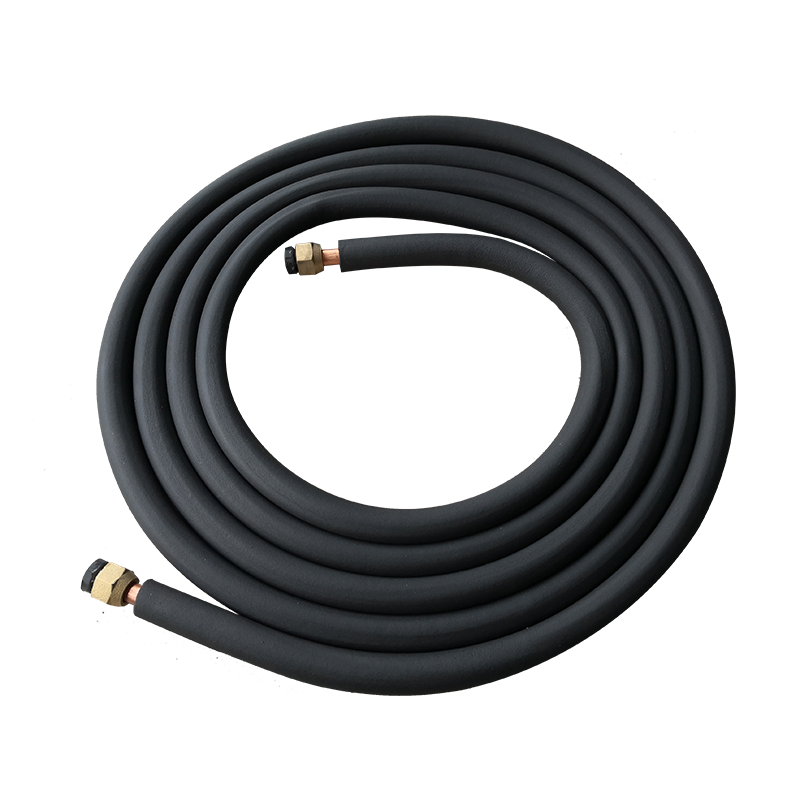
Insulated copper pipes are integral to plumbing systems, providing a barrier against temperature fluctuations and condensation. These pipes are typically covered with a layer of insulation, often made from materials like polyethylene foam, fiberglass, or rubber. This insulation helps maintain the temperature of the fluid within the pipes, reducing energy loss and preventing condensation, which can lead to corrosion and other issues.
The benefits of using insulated copper pipes are manifold. Firstly, they significantly reduce heat loss, which is crucial for both hot and cold water systems. This reduction in heat loss translates to lower energy consumption and, consequently, reduced utility bills. Secondly, by preventing condensation, these pipes help avoid the growth of mold and mildew, which can compromise indoor air quality. Additionally, insulated copper pipes are known for their durability and resistance to environmental factors, making them a reliable choice for long-term applications.
Installing insulated copper pipes requires careful planning and execution to ensure they function effectively over time. Here are some essential tips for achieving a successful installation:
Choosing the appropriate type of copper pipe and insulation material is the first step in the installation process. The pipe's diameter and the insulation's thickness should be compatible with the system's requirements. For example, a Straight Copper Pipe might be ideal for certain applications due to its ease of installation and efficiency.
The insulation process involves wrapping the copper pipes with the chosen insulation material, ensuring there are no gaps or exposed areas. It's crucial to secure the insulation with appropriate tape or adhesive to prevent it from slipping or becoming damaged over time. Additionally, sealing all joints and seams is vital to prevent heat loss and condensation.
Once insulated, the pipes should be securely fastened to the building structure using appropriate hangers or straps. This prevents movement and potential damage to the insulation. It's recommended to use hangers that compress the insulation slightly, ensuring a snug fit without damaging the material.
Regular maintenance of insulated copper pipes is essential to ensure their longevity and performance. This involves periodic inspections to check for signs of wear or damage to the insulation. Any gaps or tears should be repaired promptly to maintain the system's efficiency. Additionally, keeping the insulation clean and free of debris will help preserve its insulating properties.
In the event of damage, it's crucial to address repairs swiftly to prevent further issues. This may involve replacing sections of insulation or even the copper pipe itself if necessary. Working with a reputable Insulated Copper Pipe manufacturer can ensure access to high-quality replacement materials.
Insulated copper pipes are a vital component of efficient plumbing systems, offering numerous benefits such as reduced energy consumption, prevention of condensation, and enhanced durability. By following proper installation and maintenance practices, these pipes can provide long-lasting performance and contribute to a more sustainable and cost-effective plumbing system. For those interested in exploring more about insulated copper pipes, visiting a trusted Insulated Copper Pipe manufacturer is a great starting point.
1. What are the main benefits of using insulated copper pipes? Insulated copper pipes offer reduced heat loss, prevention of condensation, and enhanced durability, leading to lower energy costs and improved indoor air quality.
2. How do I choose the right insulation material for copper pipes? The choice of insulation material depends on the specific application and environmental conditions. Common materials include polyethylene foam, fiberglass, and rubber.
3. Can I install insulated copper pipes myself? While it's possible to install these pipes yourself, it's recommended to consult with professionals to ensure proper installation and adherence to building codes.
4. How often should insulated copper pipes be inspected? Regular inspections should be conducted at least once a year to check for any signs of wear or damage to the insulation.
5. What should I do if I notice damage to the insulation? Any damage to the insulation should be repaired promptly to maintain the system's efficiency. This may involve patching or replacing sections of insulation.
6. Are there specific regulations for installing insulated copper pipes? Yes, there are building codes and regulations that govern the installation of insulated copper pipes. It's important to ensure compliance with these standards.
7. Where can I purchase high-quality insulated copper pipes? High-quality insulated copper pipes can be purchased from reputable manufacturers. It's advisable to research and choose a trusted supplier to ensure product quality and reliability.


